
Booking.com research shows sustainability certification is becoming a commercial advantage.
Posted • October 22, 2026

New research from Booking.com suggests third-party sustainability certification is becoming more than a way to demonstrate environmental progress. It is increasingly influencing traveller trust, corporate procurement and booking behaviour.
Booking.com’s 2026 partner research found that 82% of accommodation providers consider sustainability important, while 81% already have sustainability practices in place. Four in ten also believe travellers see sustainability as more important than they did a year ago.
But the report points to an important shift. For businesses that have already taken action, the next challenge is making that work visible, credible and easy for customers to understand.
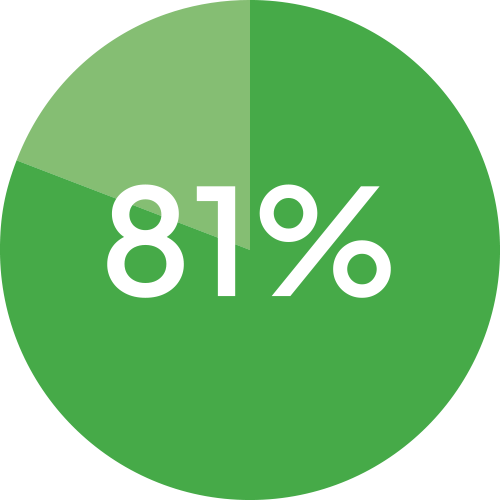
of accommodation providers consider sustainability important
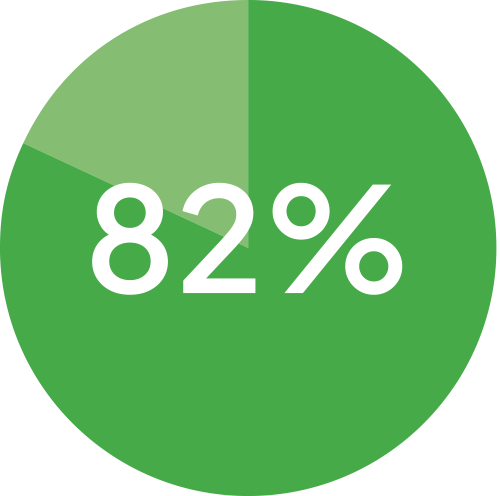
already have sustainability practices in place
Travellers want sustainability, but they also want proof
Booking.com’s separate traveller research found that 85% say more sustainable travel is important or very important to them.
More significantly for accommodation businesses, 58% say they plan to filter accommodation options for sustainability certification the next time they book, while 24% intend to stay at certified accommodation during the next 12 months.
There is also a clear trust gap.
More than a third of travellers — 37% — say they do not trust that travel options described as “more sustainable” really are, while 41% want clearer communication when something is more sustainable.
Booking.com describes reputable third-party certification as:
“one of the clearest ways to give travellers that confidence.”
That becomes particularly relevant as rules around environmental claims tighten. The report specifically highlights the EU’s Empowering Consumers for the Green Transition Directive and the growing requirement for sustainability claims to be substantiated.
Accommodation businesses are seeing a commercial benefit
When accommodation providers were asked what they saw as the benefits of third-party sustainability certification, 56% said it helps attract more sustainability-conscious travellers and 46% said it reassures travellers that sustainability claims are credible.
Other benefits were firmly commercial: 42% said certification had a positive impact on the traveller experience, 38% identified cost savings such as lower water and electricity costs, and 35% saw a competitive advantage over other properties.
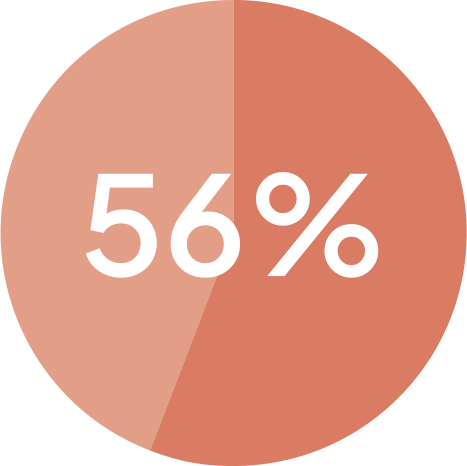
said certification helps attract more sustainability-conscious travellers
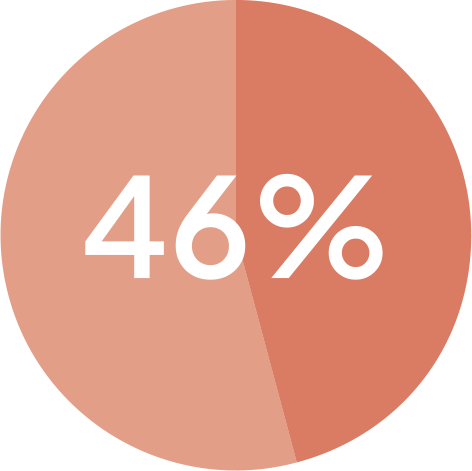
said certification reassures travellers that sustainability claims are credible
Booking.com’s own platform testing also provides an interesting indication of how visible certification may affect bookings.
In 2025, more than 28,000 accommodation providers on Booking.com held recognised third-party sustainability certification, accounting for around 100 million booked room nights. Booking.com reports that properties displaying a sustainability certification badge saw an increase in bookings compared with periods when the badge was not displayed. Its certification filter was used less frequently than some other accommodation filters, but delivered a higher-than-average conversion rate.
Booking.com is careful about the methodology. Experiments conducted between September 2025 and March 2026 found a statistically significant 0.25% reduction in incremental bookings when the sustainability badge was not visible across the properties tested.
That may sound like a small percentage, but across large booking volumes it points to something important: making credible certification visible can influence customer behaviour.
Where Green Tourism fits

Green Tourism is included on Travalyst’s current Certifications list. Travalyst makes that list available to its travel-industry partners, including Booking.com, and those partners decide which certification schemes they recognise and display on their own platforms. Green Tourism’s inclusion therefore means the scheme is available for consideration within that system, while individual platforms retain control over what they show to travellers.
Booking.com currently says that more than 25,000 accommodations have third-party sustainability certification information displayed on its platform, and that it works with the Travalyst Coalition as part of its wider sustainability work.
For Green Tourism Certified businesses, the practical point is visibility: recognised third-party certification can provide booking platforms with credible information they may choose to surface when travellers are researching and comparing accommodation.
Corporate buyers are asking more questions too
The report also shows sustainability becoming part of business-travel procurement.
Among larger accommodation providers with 11 or more rooms,
16% said they sometimes or often receive corporate requests for proposals containing sustainability requirements.
That rises to 20% among properties where business travel accounts for more than half of bookings.
Some businesses are already seeing these requirements affect contracts.
7% of larger properties, and 10% of predominantly business-travel properties, said they had gained or lost corporate contracts because of sustainability requirements.
Booking.com also tested the effect of displaying certification with two corporate demand partners. With one partner, the share of booked room nights going to certified properties increased from 15% to 27% after certification labels were introduced. A second saw an increase from 20% to 24%.
That reinforces something we are increasingly seeing across tourism and hospitality: sustainability information is no longer only for guests. It is becoming part of tenders, corporate travel policies and purchasing decisions.

So what does this mean for accommodation businesses?
The Booking.com report suggests the opportunity is not simply to do more sustainability work, but to make existing work credible, measurable and visible.
For Green Tourism members, there are a few practical takeaways:
- Proof matters. Broad sustainability claims are becoming harder to make without credible evidence behind them.
- Make certification visible. Travellers and corporate buyers cannot act on credentials they cannot see.
- Use certification commercially. Sustainability evidence can support RFPs, corporate sales conversations and procurement as well as guest marketing.
- Measure the operational value too. Cost savings remain one of the benefits accommodation providers associate with sustainability certification.
- Don’t assume customers understand what you are doing. The research shows a sizeable gap between interest in sustainability and trust in the claims businesses make.
There is still a major awareness challenge. Booking.com found that 60% of accommodation partners had never heard of independent sustainability certifications, up from 53% in 2025. At the same time, 26% remain unsure what return they will get from investing in sustainability and 30% struggle to identify viable alternatives to the products and services they currently use.
That makes the business case for practical support and credible certification increasingly clear: helping businesses understand what to do, demonstrate what they have achieved and make that investment work harder commercially.
Source: Booking.com, Creating a more sustainable travel and tourism accommodation sector, 2026. Booking.com’s accommodation-partner survey included 3,715 partners across 18 countries; its traveller figures draw on separate research involving 32,500 respondents across 35 countries and territories.
Share this story
Related news & insights
Recent posts
October 20, 2026
October 19, 2026
In practice
Marketing Calendars
October 20, 2026
April 15, 2026
Connect with us
Support