
The S in ESG: people, suppliers and the places tourism depends on.
Posted • November 23, 2026

What is social sustainability in tourism, and how can hospitality businesses support their people and communities?
Sustainability is often associated with environmental action: reducing carbon emissions, cutting waste and using fewer resources. But there’s another important part of the picture: people.
The Social pillar of ESG looks at how a business affects its employees, customers, suppliers and local communities. For tourism and hospitality businesses, this is particularly important. The industry depends on people, places and communities, and its long-term success is closely connected to how well they are supported.
Social sustainability isn’t about making grand gestures or publishing ambitious promises. It’s about the everyday decisions and practices that make a business a better place to work, visit and operate.
Looking after your people
How can tourism and hospitality businesses support employee wellbeing?
Staff are at the heart of tourism and hospitality. From hotel teams and restaurant staff to tour guides and attraction employees, the quality of the visitor experience depends on the people delivering it.
Supporting staff wellbeing means more than providing a comfortable working environment. It can include fair employment practices, appropriate working hours, health and safety measures, access to support and creating a workplace where people feel valued and respected.
Training and development are equally important. This might mean providing regular health and safety training, helping staff understand sustainability responsibilities, developing customer service skills or giving employees opportunities to progress.
The importance of getting this right extends across the industry. According to the World Travel & Tourism Council (WTTC), Travel & Tourism supported 366 million jobs globally in 2025, equivalent to approximately one in nine jobs worldwide. Supporting the people behind these roles is an important part of building a resilient, responsible tourism sector.
A business that invests in its people is also investing in the quality and resilience of its operations.
Making experiences accessible to everyone
Why is accessibility important for sustainable tourism?
Social sustainability also means considering who can access and enjoy the experiences a business offers.
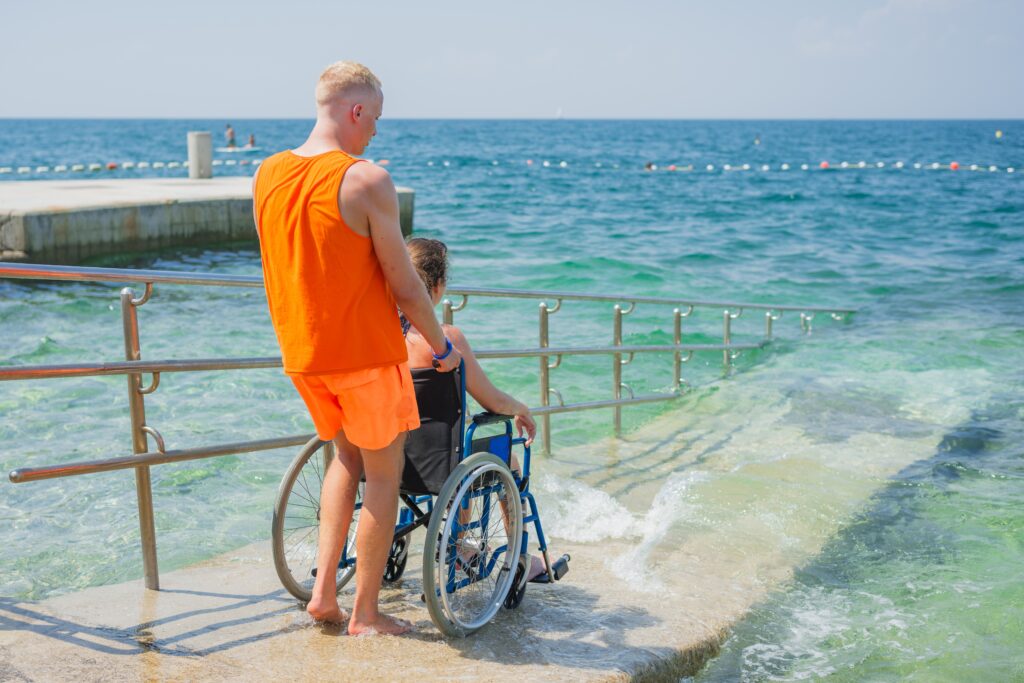
For accommodation providers, this could involve accessible bedrooms, step-free access and clear information about facilities before guests arrive. Attractions might provide accessible routes, seating, hearing assistance or information in alternative formats. Restaurants could consider dietary requirements and make allergen information easy to find.
Accessibility isn’t just about meeting minimum requirements. It’s about understanding different visitor needs and making practical improvements wherever possible.
There is also a clear case for making accessibility a business priority. VisitEngland’s research estimates that trips taken by people with a health impairment, including those travelling with someone with an impairment, generate £14.6 billion in annual visitor spending in England. This demonstrates the significant contribution accessible tourism can make to the visitor economy.
Small changes to information, facilities and staff awareness can make a significant difference to someone’s experience. Clear, detailed accessibility information, for example, helps potential visitors make informed decisions about whether a business can meet their needs.
Supporting local communities and responsible suppliers
How can tourism businesses support local economies through responsible sourcing?
Tourism businesses are part of the places in which they operate. Their purchasing decisions, relationships and visitor activities can all influence the local economy and community.
Responsible sourcing is one practical way to make a positive contribution. Buying food from local producers, using nearby tradespeople and choosing suppliers with responsible employment and environmental practices can help support local livelihoods and strengthen supply chains.
Businesses can also build relationships with community organisations, support local charities and environmental projects, or encourage visitors to explore independent shops, restaurants and attractions.
These don’t need to be large-scale initiatives. Regularly using a local supplier, promoting a community event or supporting a nearby conservation project are all tangible ways to contribute.
The benefits can extend beyond individual businesses. Strong relationships with local suppliers help keep spending within the local economy, while collaboration with community organisations can help businesses understand local priorities and contribute to the places that make their visitor experiences possible.
Making the Social pillar part of everyday business
How can you measure and improve social sustainability in your business?
The important thing is to move beyond good intentions and consider what a business actually does.
Are staff supported and given opportunities to develop? Can visitors with different access needs enjoy the facilities? Are purchasing decisions supporting responsible suppliers? Does the business have meaningful connections with its local community?
These practical questions help businesses understand their social impact, recognise where they’re doing well and identify opportunities to improve.
Businesses can start by reviewing existing policies and practices, asking staff and customers for feedback, checking the accessibility information they publish and looking at how purchasing decisions affect local suppliers. Setting clear priorities and keeping records of actions taken can then help track progress over time.
Social sustainability doesn’t have to mean introducing a long list of new initiatives. Often, it starts with understanding current practices and making considered improvements where they will have the greatest impact.
Putting the S into practice with Green Tourism Certified
How can Green Tourism Certified help tourism businesses improve their social sustainability?
The Social pillar is an important part of Green Tourism Certified’s ESG framework, with three dedicated modules covering Wellbeing, Community and Visitor Experiences. Together, they help businesses consider their responsibilities towards employees, visitors, suppliers and the places that make tourism possible.
The framework provides practical criteria to help businesses assess their current practices, identify improvements and demonstrate their actions with evidence. With guidance from a Green Tourism Support Advisor, businesses can work through relevant criteria and understand where further progress is possible, before an independent third-party audit.
Because sustainable tourism isn’t just about protecting the environment. It’s also about looking after the people who make the industry work and the communities that welcome its visitors.
Find out how Green Tourism Certified can help your business put all three pillars of ESG into practice, and explore the ESG framework to see what it covers.
Sources
Share this story
Related news & insights
Recent posts
November 23, 2026
November 17, 2026
November 13, 2026
In practice
November 13, 2026
Marketing Calendars
October 20, 2026
April 15, 2026
Connect with us
Support