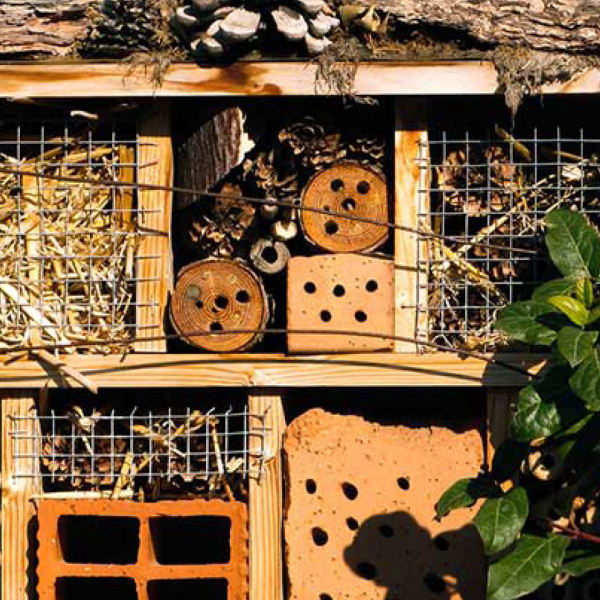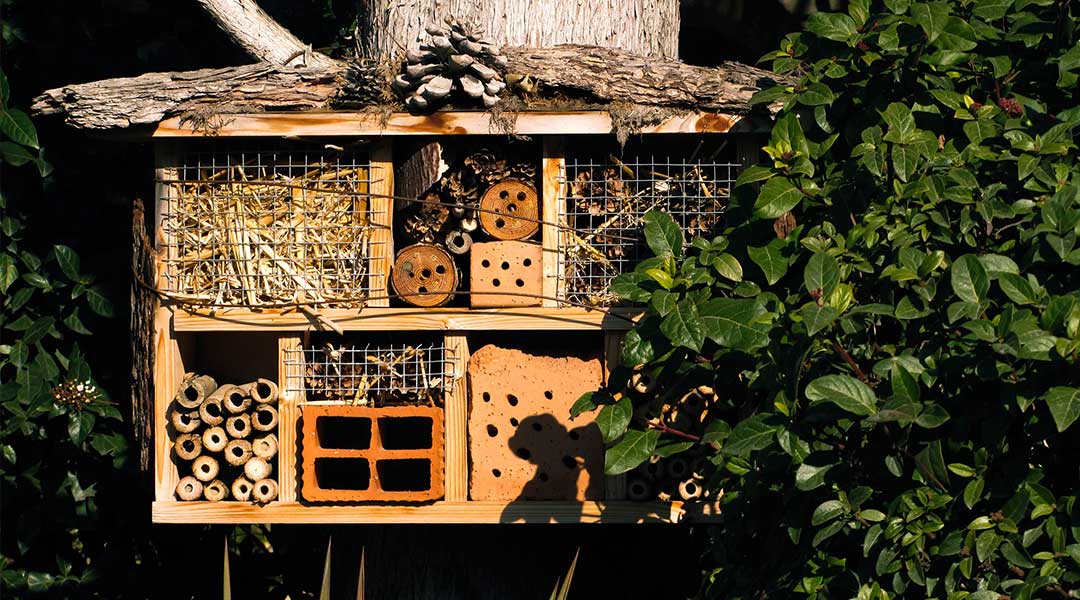
So you’ve got a bug box. Nice one. Lots of Green Tourism members now have one up at work and a fair few have gone full convert and installed one at home too.
But here’s the thing: a bug box is a great start, not the finish line.
Healthy insect populations are the unsung workforce of our landscapes, countryside and cities. They:
- Pollinate many of the plants we rely on
- Recycle nutrients by breaking down organic matter
- Hold food webs together, feeding birds, bats, amphibians and more
And yes, insect numbers have taken a big hit globally. The causes are varied, but the usual suspects include:
- Overuse of pesticides and herbicides
- Habitat loss and fragmentation
- Climate change and extreme weather
So what can you do beyond putting up a bug box? Plenty — and none of it requires a PhD or a cape.
Tame the lights (night insects will thank you)
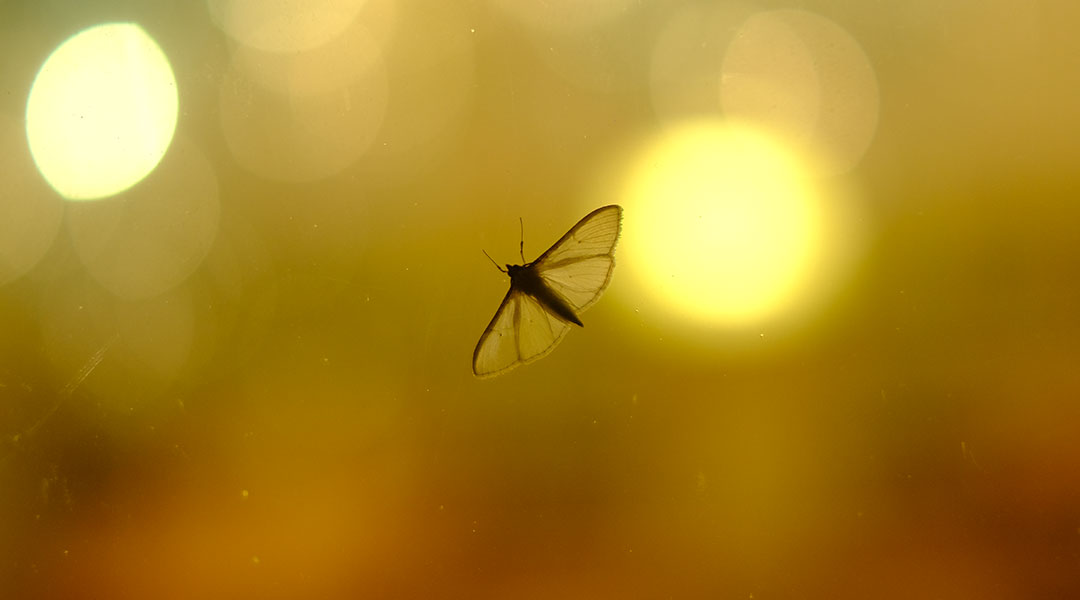
Light pollution has a huge impact on night-flying insects. We’ve all seen moths doing loops around a bright lamp, but many of those insects don’t make it to morning.
Easy wins:
- Switch off lights you don’t need (brave, I know)
- Fit motion sensors or timers so lights aren’t on all night
- Use downward-facing lighting to reduce spill
- Close curtains/blinds so indoor lighting isn’t beaming outside
Bonus: your insects live longer, and your energy bills shrink.
Ditch the chemicals (or at least dial them right back)
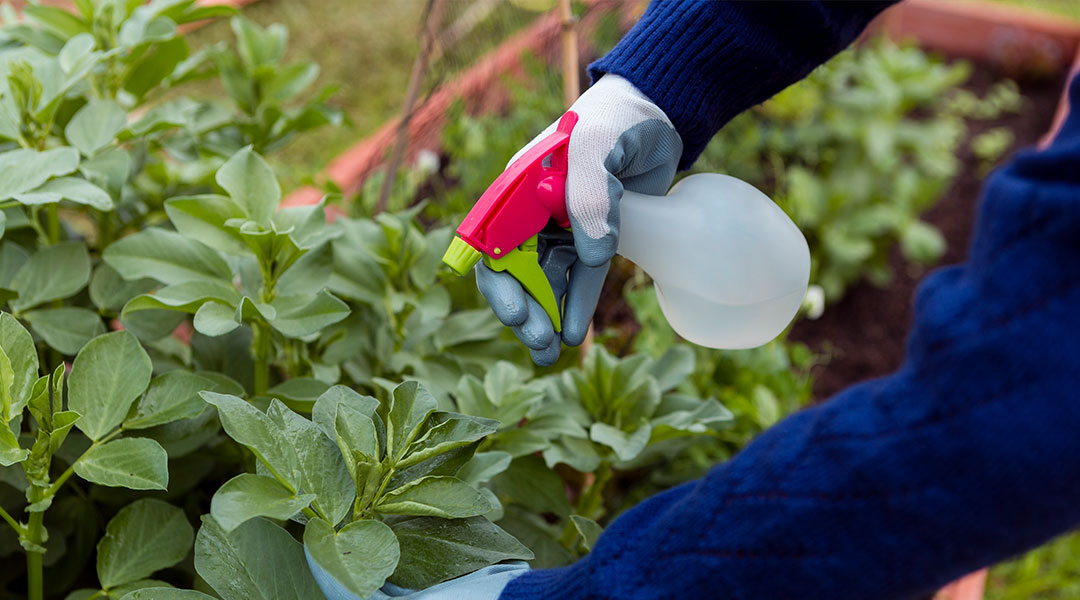
Cutting down on herbicides is one of the highest-impact actions you can take.
Glyphosate, one of the most widely used herbicides in the world, has been linked in studies to negative effects on some insects (including impacts on immunity and gut health). Even where evidence is still debated, reducing blanket chemical use is a sensible biodiversity move.
Try this instead:
- Hand-weed little-and-often (surprisingly satisfying)
- Use mulch or landscape fabric to suppress weeds
- Tackle weeds before they seed
- Reframe “weeds” as wildflowers/street flowers when they’re not causing harm
Think of it as swapping the weedkiller approach for a “manage, don’t nuke” mindset.
Go native (because local insects have local tastes)
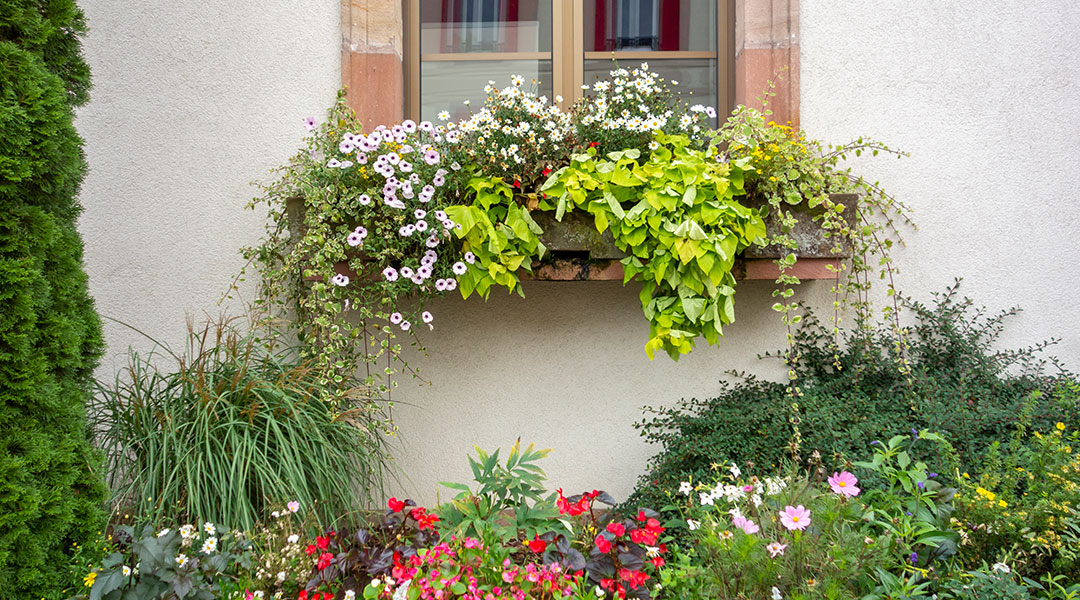
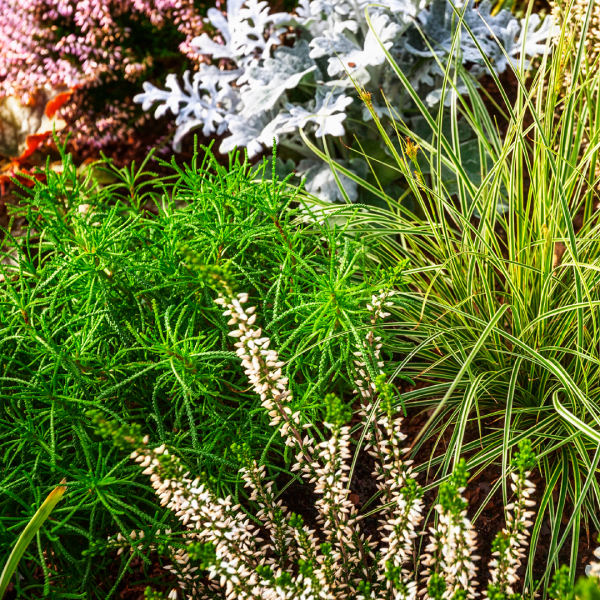
Native plants are basically the best restaurant in town for your local insects.
Why? Because insects and plants have co-evolved over long periods. Flower shapes, leaf textures, blooming times – it’s all part of a relationship that helps local species feed, shelter and breed.
Quick ways to start:
- Choose native species for borders and beds
- Mix in natives for tubs, planters and window boxes
- Aim for a succession of flowers across seasons (spring → autumn)
- Include some plants that support caterpillars too. Not just adult pollinators
Ornamental imports can look stunning, but sometimes they’re the equivalent of a shop window display: pretty, but not much nourishment.
Don’t be too tidy (leave the leaves!)
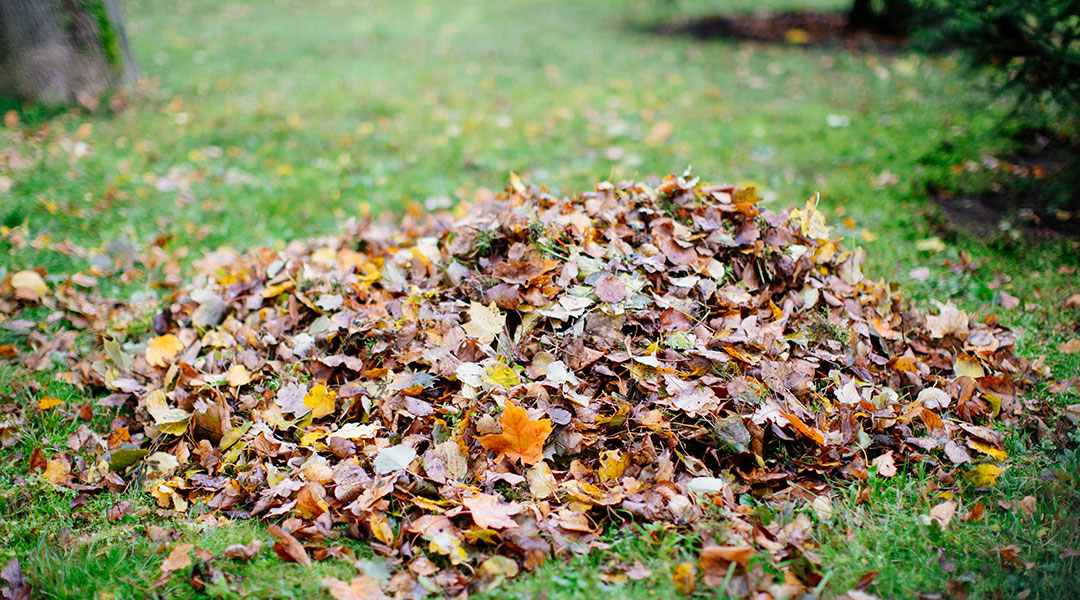
In autumn, resist the urge to make everything “neat”. Leaf litter is prime insect real estate. A safe space to overwinter, hide, feed and pupate.
If you can, try:
- Leaving leaves in borders and under hedges
- Creating a leaf pile in a quiet corner
- Keeping some areas “messy” on purpose (it’s officially conservation now)
It saves wildlife and saves you effort. The rarest win-win.
Quick extra ideas (tiny tweaks, big impact)
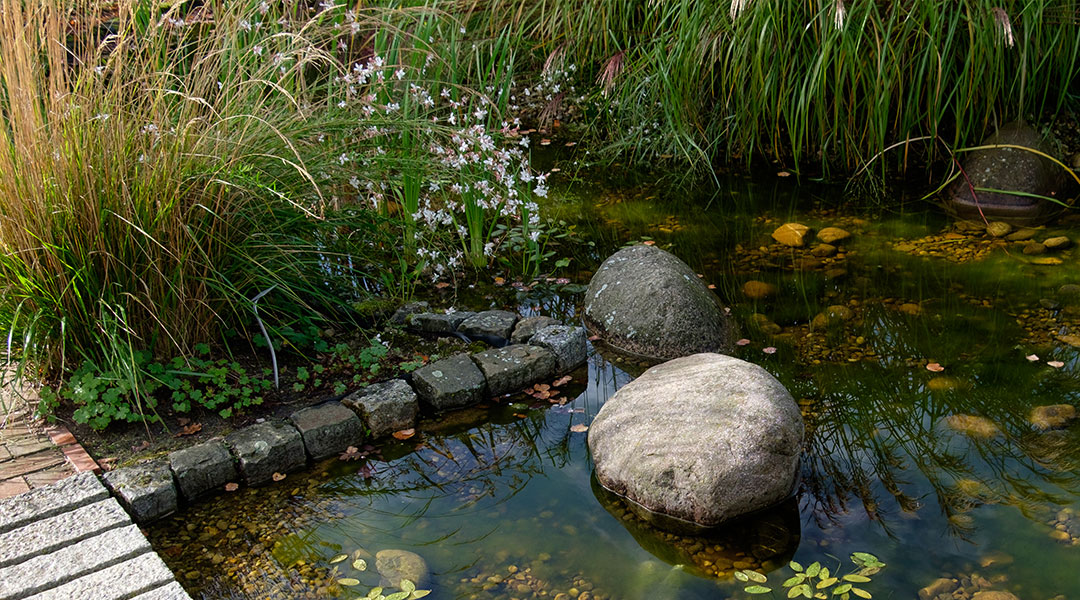
If you want a few more simple additions alongside your bug box:
- Put out a shallow water source (add stones so insects can land safely)
- Leave a few sunny stones/logs as warm basking spots
- Let parts of the lawn grow longer: varied grass heights = more niches
- Add a bit of dead wood in shady corners (habitat gold)
The bottom line – Bug boxes are brilliant, but insects need a whole neighbourhood, not just one apartment block.
Every action above helps create a garden or set of grounds that’s more insect-friendly, more resilient, and more alive. And when a species group is under pressure, even small changes, multiplied across lots of sites, can add up to something powerful.