Spring is only a few months away, and if you’re wondering how to plant in a way that genuinely helps pollinators, you’re already on the right track. Nectar and pollen plants are food, and by planting with purpose you can protect vital links in ecosystems, whether you’re in the countryside or right in the middle of a town.
Here are a few easy ways to get started (or level up what you already do).

The “3 × 3 × 3” Planting Plan (easy, effective, satisfying)
Here are a few easy ways to get started (or level up what you already do).
If you only adopt one idea, make it this one.
3 × 3 × 3 means:
- Choose 3 native plant species for spring
- Choose 3 native plant species for summer
- Choose 3 native plant species for autumn
That’s 9 species in total.
- Then plant 3 of each species (so you’re not relying on single plants)
That gives you 27 plants that provide food across the whole growing season. A reliable “pollinator menu” from spring through to autumn.
If you’ve got more space, just scale it up: same plan, more repeats.
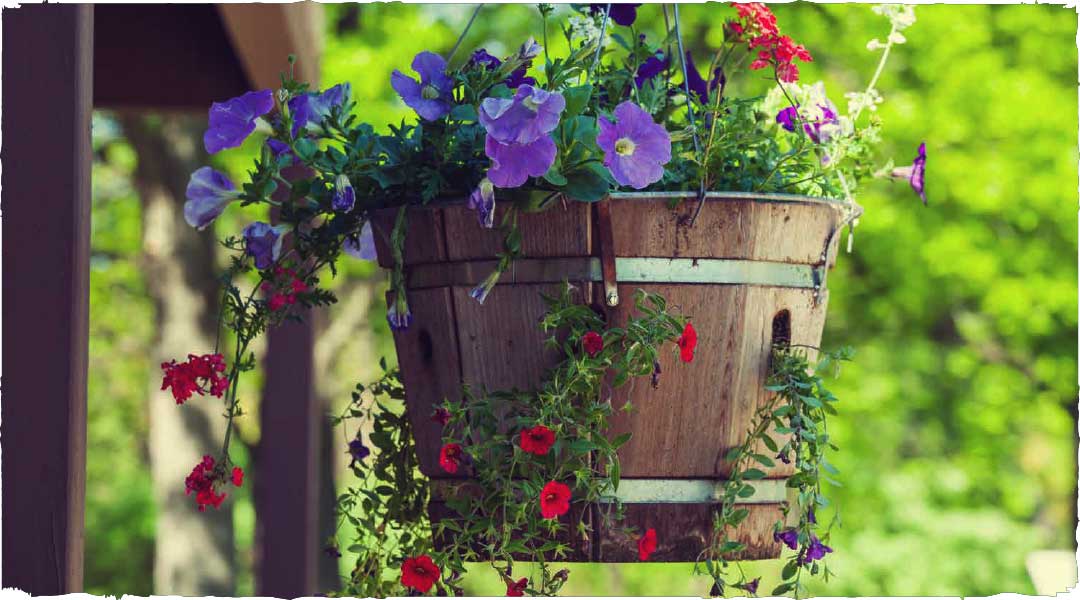
No space? No problem. (Half a square metre can still matter)
If you’re working with a small area, don’t write it off. Research in the Netherlands found that even very small garden plots (around half a square metre) can support large numbers of insects, and the secret wasn’t size… It was vegetation density.
Quick small-space wins:
- Pack planters with layers (tall + medium + trailing)
- Use tubs, pots, and window boxes
- Don’t forget balconies, patios, courtyards, even a flat roof can work (with safe access)
A single, well-planted window box can feed passing insects like a roadside café.

Don’t forget the night shift (moths are pollinators too)
A lot of planting schemes cater to daytime visitors only — but night-flying insects need food as well.
Try adding a few plants that flower (or scent strongly) in the evening and at night. They’re brilliant for night-time biodiversity and they make outdoor areas feel magical for guests eating or drinking outside.
Good choices for boxes and tubs:
- Evening Primrose
- Tobacco Plant
- Night Phlox
- Night-scented Stock
Great for borders and larger beds:
- Night-blooming Jasmine
- Hesperis (Dame’s Violet)
- Honeysuckles
Night-scented flowers are seriously underrated — and incredibly useful.

Embrace “weeds” (aka: caterpillar nurseries)
This one feels counterintuitive… but it works.
Nettles, for example, are powerhouse plants for wildlife. A pot of nettles tucked into a planting scheme can support caterpillars of butterflies like:
- Peacock
- Red Admiral
- Comma
- Small Tortoiseshell
They’re also loved by bumblebees, and their seedheads can feed birds later in the year.
In short: a few “messy” plants can make your whole space more alive.
The takeaway: every flower helps
These are simple pointers, but they add up. Insects are in serious decline — in the UK and worldwide — and planting for nectar and pollen is one of the easiest, most visible ways to help.
Even small changes can boost numbers and diversity. And the best part? Your grounds will look and smell fantastic while doing it.