Citizen surveys are a great way to support nature while learning more about the wildlife around you. One of the best-known examples is the RSPB’s annual Big Garden Birdwatch, which is taking place this year from 23rd – 25th January.
It’s the world’s largest garden wildlife survey, with over half a million people taking part. The data collected plays a vital role in tracking trends in UK bird populations. Find out more here: https://www.rspb.org.uk/whats-happening/big-garden-birdwatch
But birdwatching isn’t the only way to get involved. There are a range of other wildlife surveys running throughout the year, covering a variety of species – and some you can take part in right now.
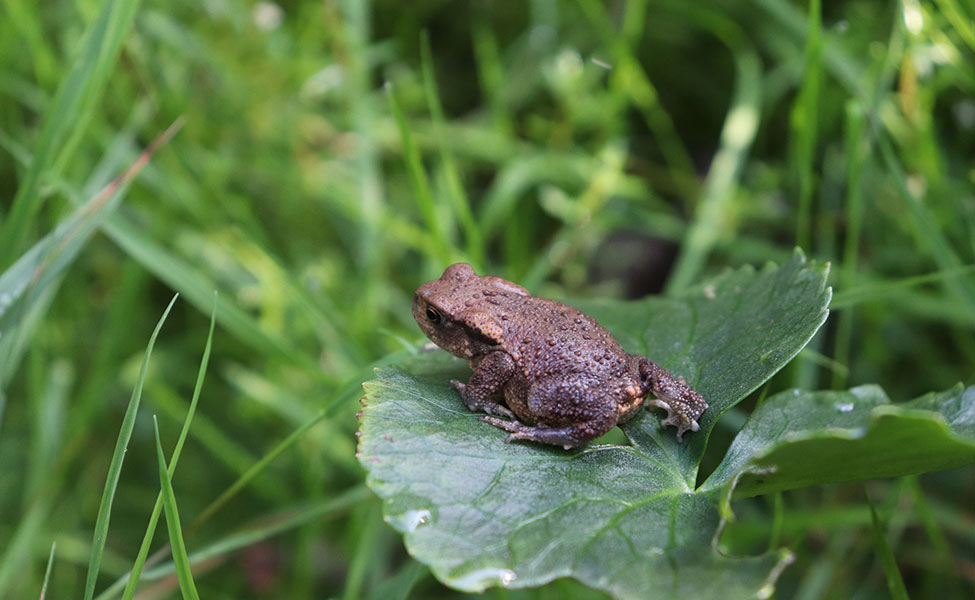
From December to May, the Freshwater Habitats Trust runs the PondNet Spawn Survey. Participants record sightings of frog and toad spawn, helping scientists better understand amphibian populations across the UK. Their website provides guidance on identifying spawn, submitting records, and even offers a participation certificate. Head to https://freshwaterhabitats.org.uk/advice-resources/survey-methods-hub/pondnet-spawn-survey/ to find out more.
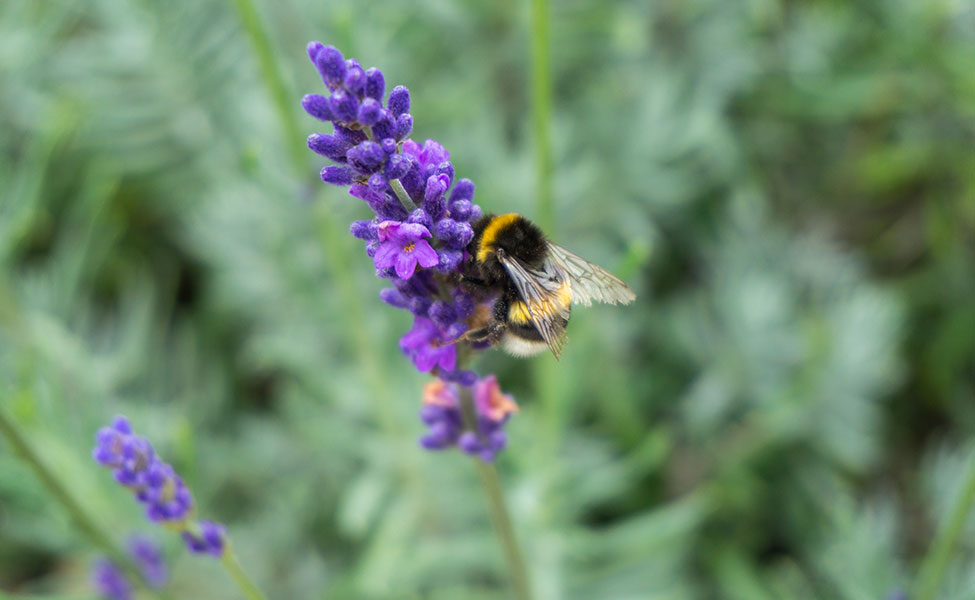
The Bumblebee Conservation Trust runs BeeWalk, a national monitoring scheme that tracks bumblebee numbers. Volunteers commit to a one-hour walk once a month from March to October along a fixed 2km route, recording the bees they see. Full guidance is available on their website: https://beewalk.org.uk/
The World Wildlife Fund (WWF) offers a unique opportunity to become a Walrus Detective from the comfort of your own home, using satellite images to count walruses in the Arctic. All you need is internet access and a bit of free time. Details can be found at https://www.wwf.org.uk/learn/walrus-from-space
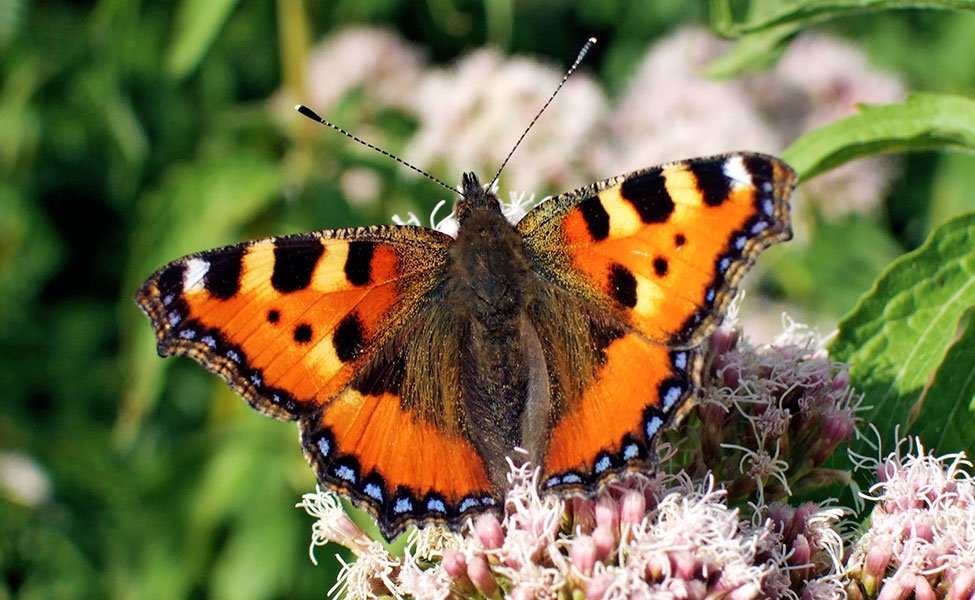
During the summer months, Butterfly Conservation’s Big Butterfly count invites people to record butterfly sightings during July and August. With climate change affecting weather patterns, this survey provides valuable insight into how butterfly species are coping. Have a look at https://butterfly-conservation.org/butterflies/recording-and-monitoring

If you’re on the west coast of Scotland, you can support the Hebridean Whale and Dolphin Trust by reporting sightings or strandings, helping researchers understand when and where species occur. You can do this at https://whaletrack.hwdt.org/
Urban wildlife is just as important. The People’s Trust for Endangered Species runs the Living with Mammals survey, which records mammal sightings within two hundred metres of a buildings, from gardens and parks to railways and waterways. Details can be found at https://ptes.org/get-involved/surveys/garden/living-with-mammals/

Not all surveys focus on animas. The Woodland Trust’s Ancient Tree Inventory invites people to submit information about trees they think are very old. The tree will then be visited and verified by an expert, helping to protect these important habitats for future generations. If you spot one, submit the details on https://www.woodlandtrust.org.uk/visiting-woods/things-to-do/ancient-tree-inventory
There are many more surveys available – see below for a few examples.
- https://scottishsquirrels.org.uk/
- https://www.earthwormsoc.org.uk/ners
- https://www.recordpool.org.uk/
- https://wildlifeinformation.co.uk/wildlife-surveys/
These projects show just how many ways there are to get involved, from earthworms to whales! Choose something that suits your interests or surroundings, and help record and protect nature.