Recent periods of high temperatures have highlighted how costly it can be to keep business premises cool and comfortable for customers and staff alike, with increased energy use driving up utility bills.
Below are some practical, sustainable ways to reduce heat build-up in your premises while keeping energy use – and your carbon footprint – as low as possible.
Check and optimise heating and lighting systems
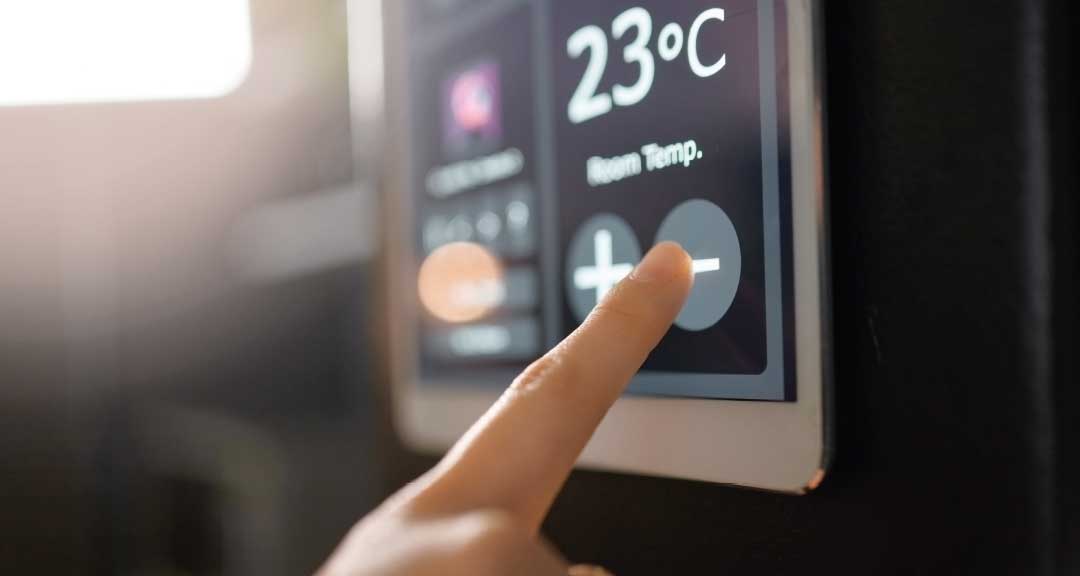
It may sound obvious, but ensuring your heating system is properly controlled can make a noticeable difference. Radiators should be turned off at the valves where appropriate, thermostats should be correctly set, and systems should be regularly checked.
In some cases, heating can be unintentionally left on or adjusted incorrectly (for example, by guests or staff), so it’s important to ensure controls are checked regularly to prevent unnecessary heat build-up.
Switching to LED lighting is another simple but effective step. LEDs produce significantly less heat than traditional bulbs while also reducing energy consumption and running costs.
Reduce solar gain through windows and roofing
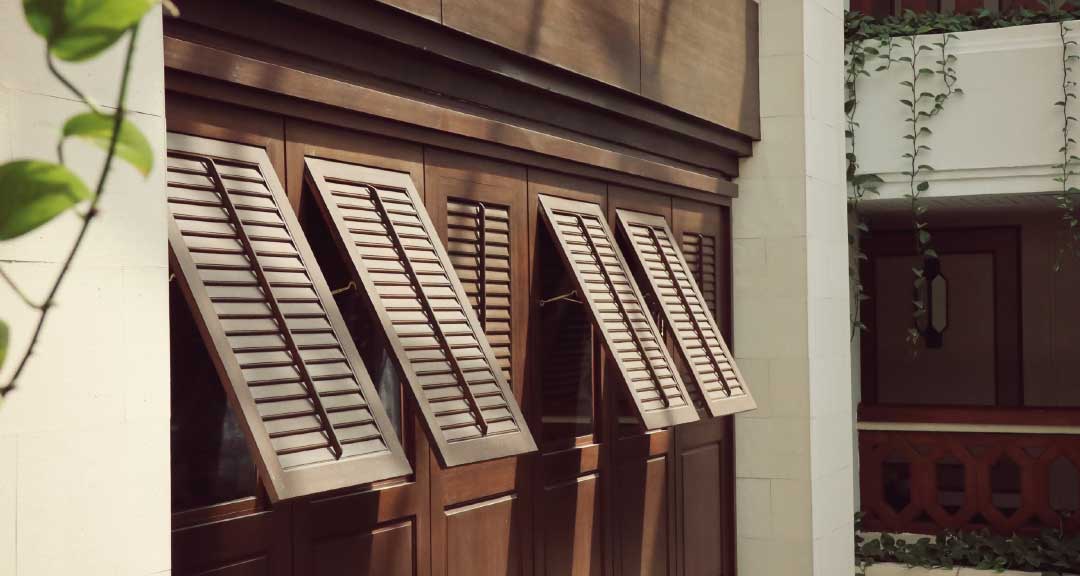
Preventing sunlight from entering the building is one of the most effective ways to reduce internal temperatures.
External shading solutions such as shutters, awnings, and blinds can significantly reduce heat gain by blocking direct sunlight before it reaches the glass. Window films can also help by reflecting solar heat while still allowing natural light into the space.
For buildings with flat roofs, reflective coatings can reduce heat absorption and help prevent internal temperature increases caused by solar radiation.
Use natural landscaping and green infrastructure
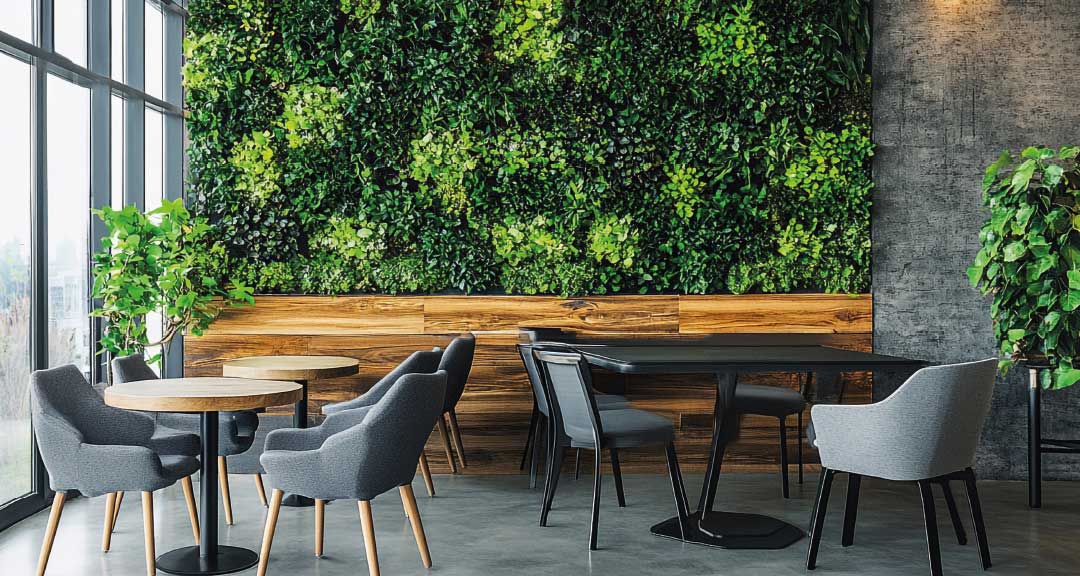
Vegetation is a powerful and natural way to help regulate temperature around buildings. Deciduous trees are particularly effective, providing shade in warmer months while allowing light through during colder seasons once their leaves have fallen.
Through evapotranspiration, trees and plants release water vapour, which helps cool surrounding air. In shaded areas, this can reduce local temperatures significantly compared to unshaded surfaces.
Green roofs and living walls can also contribute to cooling by reducing heat absorption, improving insulation, and supporting local biodiversity.
Make use of evaporative cooling
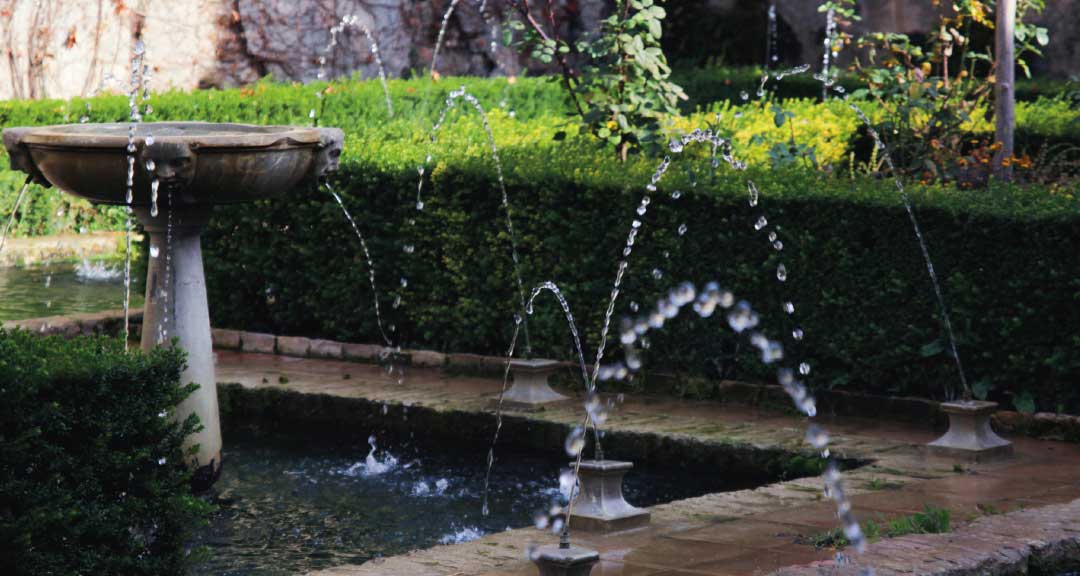
Water features like fountains can provide a localised cooling effect, particularly in outdoor areas such as courtyards, patios, or near building entrances.
As water evaporates, it absorbs heat from the surrounding air, helping to reduce temperatures within a limited radius. The effectiveness depends on design, size, and humidity levels, but even small installations can improve heat levels.
Improve natural ventilation
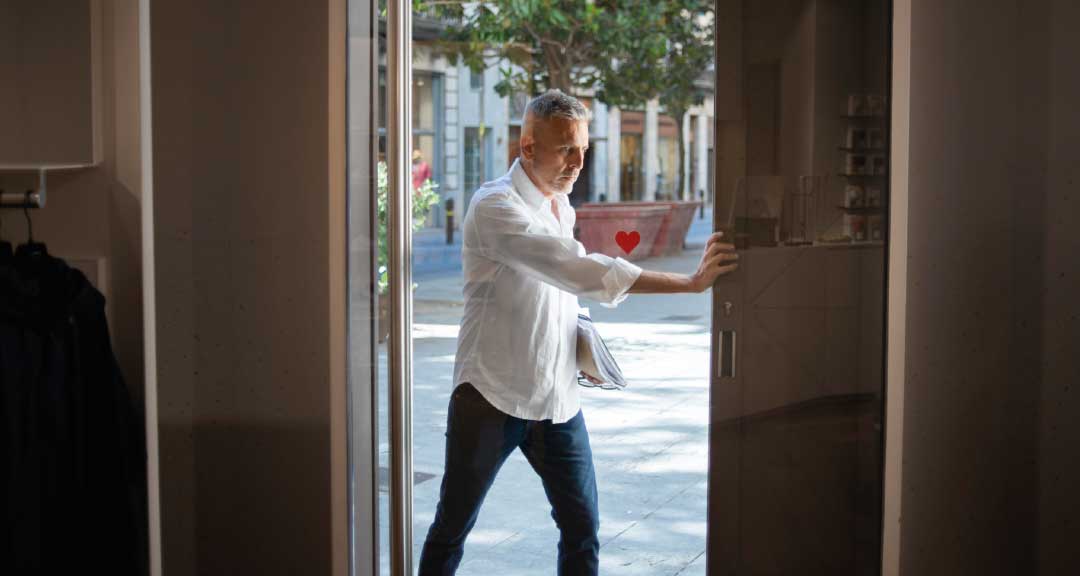
Taking advantage of natural airflow is a cost-free way to help regulate internal temperatures.
Opening windows during cooler parts of the day, such as early morning or evening, allows fresh air to circulate. Closing them during the warmest periods helps retain cooler indoor temperatures.
Where possible, creating cross-ventilation by opening windows on opposite sides of a building can help expel warm air and encourage the air to flow.
Consider more efficient kitchen equipment
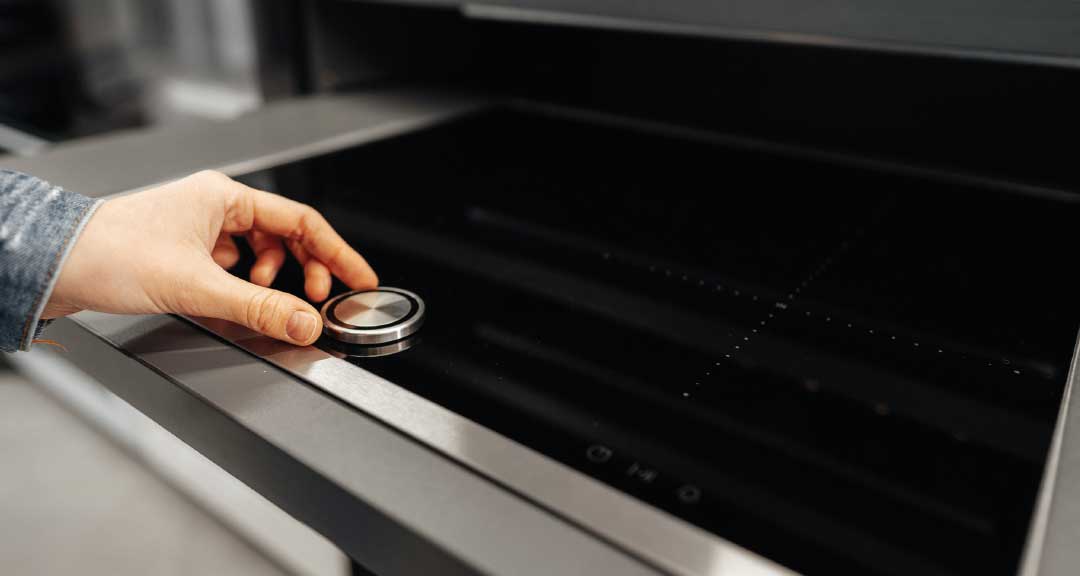
In commercial kitchens, switching from gas appliances to induction cooking can significantly reduce excess heat in the working environment.
While electricity costs may be higher than gas in some cases, induction technology is far more efficient: typically around 85–90% compared with roughly 40% for gas. This is because induction heats the pan directly rather than warming the surrounding air.
Maintain systems for peak efficiency
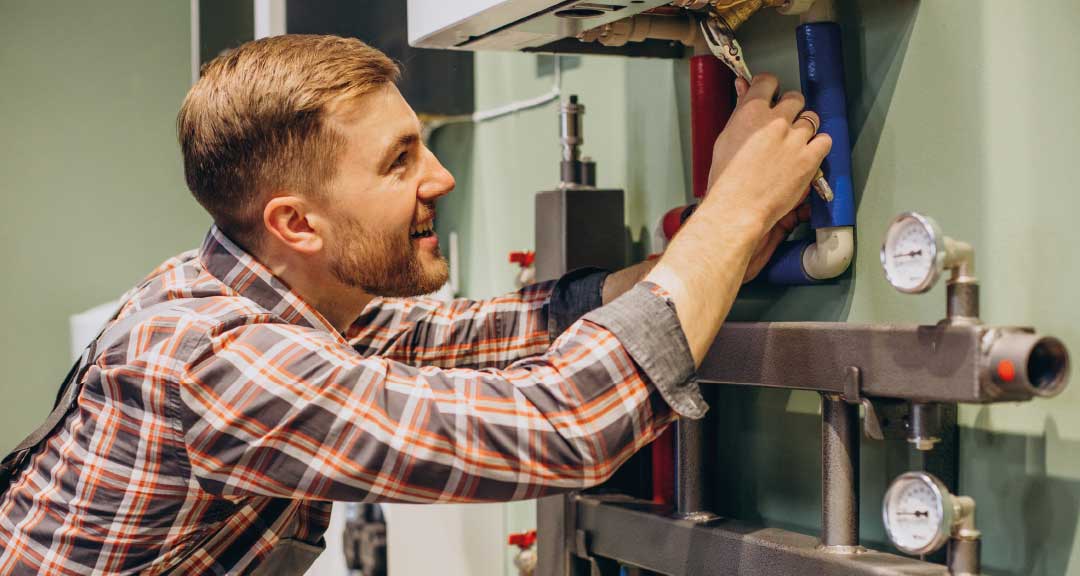
Regular maintenance of heating, ventilation, extraction, and cooling systems is essential to ensure they operate efficiently.
Well-maintained systems not only use less energy but also help keep internal temperatures more stable, reducing unnecessary strain during warmer periods.