As summer arrives and guests’ use of pools and hot tubs increases, so too can the energy, water and chemical costs associated with operating them. Small changes in day-to-day management can make a significant difference to both environmental impact and operating costs.
Here we share ten simple, practical ways to improve the efficiency of your pools and hot tubs, reduce energy consumption, save resources, and maintain a safe, comfortable experience for guests throughout the busy season.
1. Keep Water Temperatures Within Recommended Ranges
Maintaining correct temperatures improves comfort, reduces energy use, and supports compliance. Even a 1°C increase in water temperature can significantly raise energy consumption.
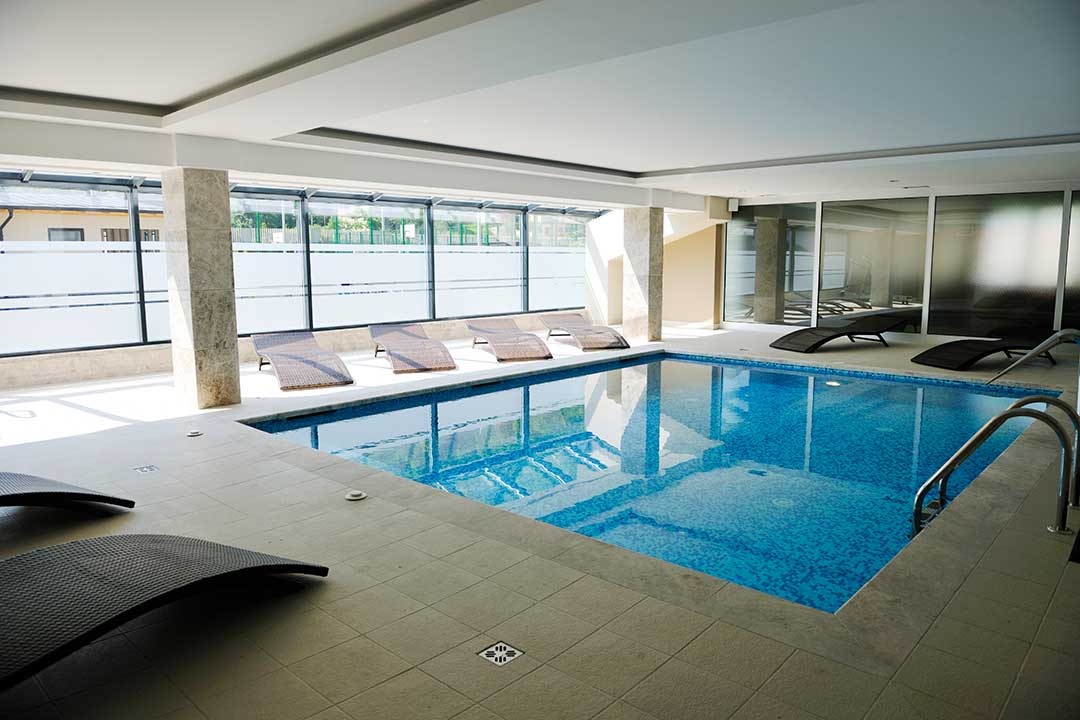
2. Maintain Pool Hall Air Temperature 1°C Above Water Temperature
This prevents condensation, protects the building, and improves guest comfort. The air temperature in the pool hall should ideally be maintained at 1°C above the water temperature.
3. Keep Internal and External Doors Closed
A simple habit that protects HVAC efficiency, safety, and humidity control. Open doors allow warm, humid air to escape, forcing HVAC systems to work harder – so keep them closed!
4. Use Pool and Hot Tub Covers Consistently
Covers can reduce heat loss, evaporation, chemical use, and energy bills by up to 50% or more.
5. Encourage Pre Swim Showers and Good Bather Hygiene
This single behaviour dramatically reduces contaminants, backwashing, and chemical demand. Cleaner bathers mean fewer contaminants which means less frequent backwashing.

6. Clean Skimmer Baskets, Strainer Baskets, and Dosing Equipment Regularly
When these baskets are clogged… energy consumption increases. Small maintenance tasks prevent pump strain, improve circulation, and reduce energy use.
7. Maintain a Consistent Cleaning Schedule for Surfaces and Waterlines
Without consistent cleaning, contaminants can lead to algae growth, slippery surfaces (especially the pool floor) and cloudy water. Routine cleaning prevents algae, scum lines, and chemical overuse.
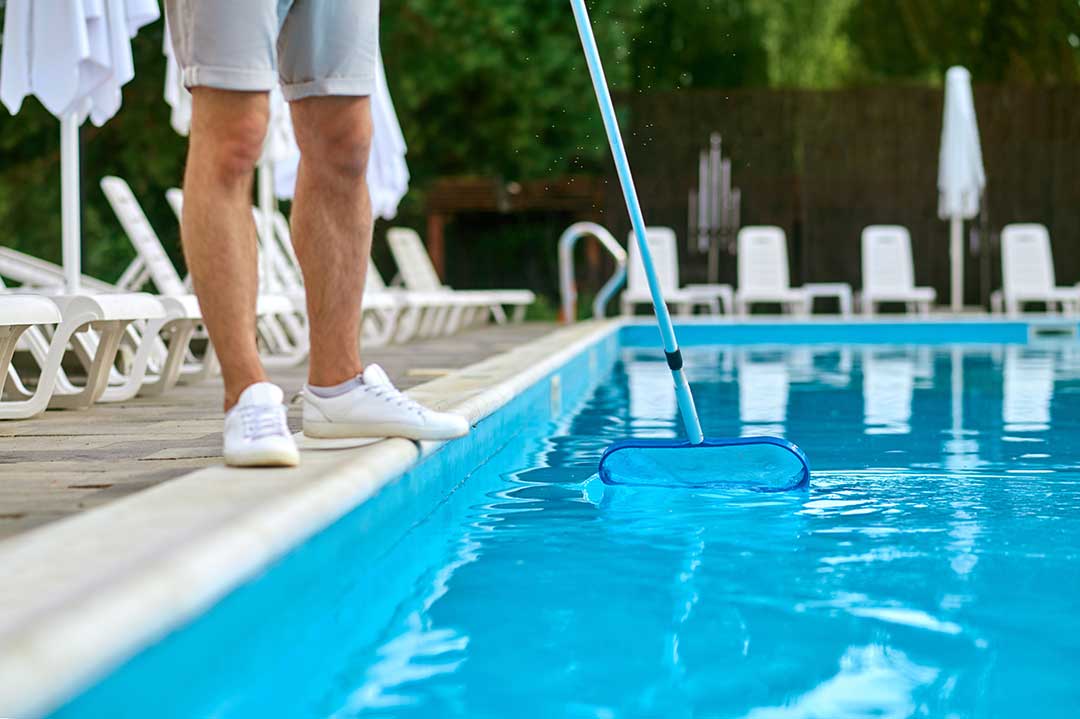
8. Use the Right Cleaning Tools (Robotics, Wall Vacs, Handheld Vacs)
Automated or simple tools like a brush reduce labour and improve water clarity. Robotic cleaners vacuum floors and walls, filter debris, and improve water circulation.
9. Backwash Only When Needed — Not on a Fixed Schedule
Backwashing too frequently wastes water. The most reliable indicator is the filter pressure gauge. A baseline pressure of 7 PSI or more indicates it is time to backwash.
10. Test Water Chemistry Frequently and Adjust Promptly
Stable chemistry reduces chemical waste, protects equipment, and ensures guest safety. Carry out consistent and regular water chemistry testing to ensure optimal water quality. Be sure to leave at least 3 hours between tests to allow the chemical controller time to make changes after calibration.