Over the last forty years, our weather patterns have been characterised by overall warming, with wetter winters, drier summers, and an increased frequency of extreme and unpredictable weather events.
These include heavy rainfall, storms, and periods of extreme temperatures, which can lead to flooding, damage to buildings, and disruption to power supplies and deliveries. These extreme weather events are expected to continue and intensify in the coming decades.
So what can you do to help your building adapt and reduce the impact of these increasingly frequent events? We’ve put together some of the challenges your building may face during the summer months, along with adaptation solutions that can help mitigate the effects of extreme weather.
Managing Increased Summer Rainfall
One of the most noticeable challenges is the increase in intense rainfall events, which are becoming more common not only during winter but also throughout the summer months. This can be particularly damaging during drier periods, as vegetation on roofs can become desiccated and dust and debris can accumulate in roof valleys and gutters. Sudden, heavy rainfall can dislodge moss and lichens, blocking rainwater outlets and overwhelming gutters and downpipes, potentially causing serious water ingress. These risks can be reduced by increasing the capacity of gutters, catchment boxes, and outlets, while regular inspection, cleaning, and maintenance of drainage systems remains one of the simplest and most effective preventative measures.

Protecting Buildings from Surface Water Damage
Heavy summer downpours can also create problems at ground level. Splashback from hard surfaces next to your building can saturate masonry and contribute to damp areas, particularly where pointing or external finishes are not well maintained. These issues can be reduced by checking and repairing pointing, removing hard surfaces directly next to walls where possible, and improving drainage around the building.
Preventing Flooding
It is not only the building itself that can be affected by heavier summer rainfall. Grounds, gardens, and access roads can also suffer damage. Overloaded drains and blocked culverts can cause localised flooding and damage to transport routes. Regular maintenance and cleaning of drainage systems and culverts can help prevent these issues. Creating permanent routes for potential water surges can also be an effective long-term solution, although this requires careful planning and investment.
Protecting Foundations During Dry Periods
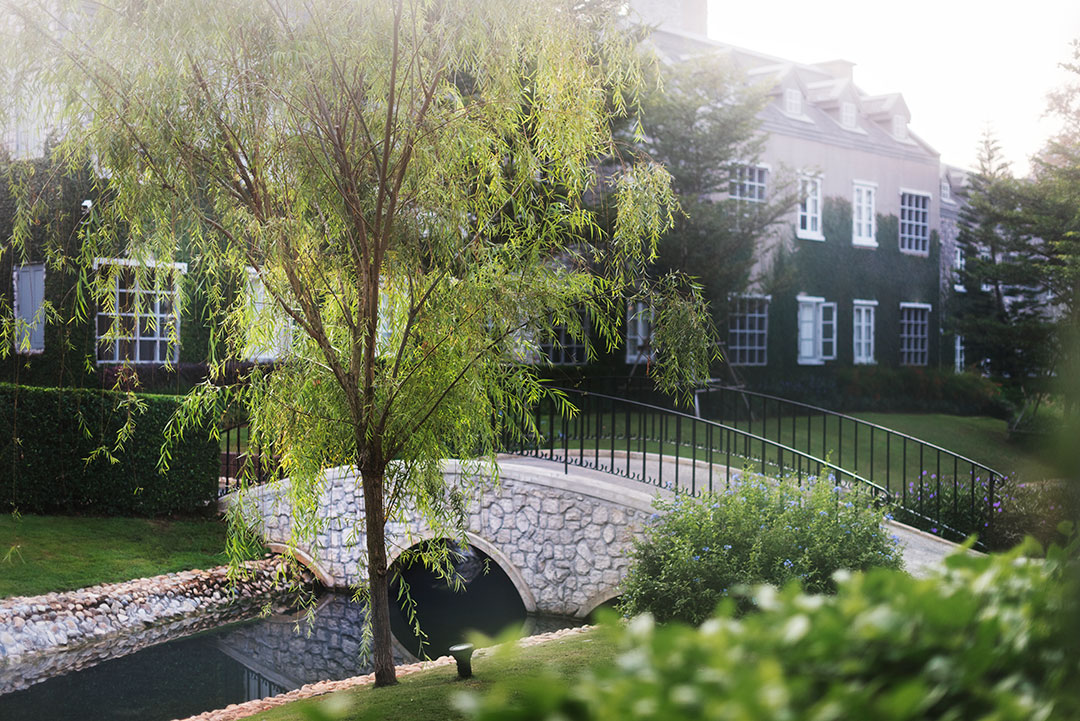
During longer dry periods combined with high temperatures, there is an increased risk of the ground drying out, which can lead to movement around building foundations. This risk can be reduced by improving surface drainage and incorporating softer landscaping around the building to help retain moisture and protect the surrounding ground conditions.
Reducing the Impact of Extreme Heat
Reducing the impact of extreme heat is also important. Shading from natural vegetation, external canopies, and internal blinds can all help limit heat gain through windows and reduce indoor temperatures. Where space allows, incorporating water features can also help cool the surrounding environment and improve indoor air quality.
Extreme weather events will always have the potential to affect vulnerable areas of your building. However, there are many actions that can help reduce the impact of adverse summer weather. Some solutions are simple, such as regular inspections and preventative maintenance, but these small steps can help avoid costly repairs, minimise disruption, and improve the resilience of your building.