The sustainability conversation in hospitality has changed significantly in recent years. Energy efficiency and plastic reduction are still important, but for guests, they’re now baseline expectations. So what’s next?
For forward-thinking hospitality businesses, biodiversity represents a genuine opportunity to stand out. It’s not just a niche concern for rural retreats with wildflower meadows; biodiversity is now a measurable, reportable and commercially relevant part of what it means to operate sustainably. So where do you start?
Know what you’ve got
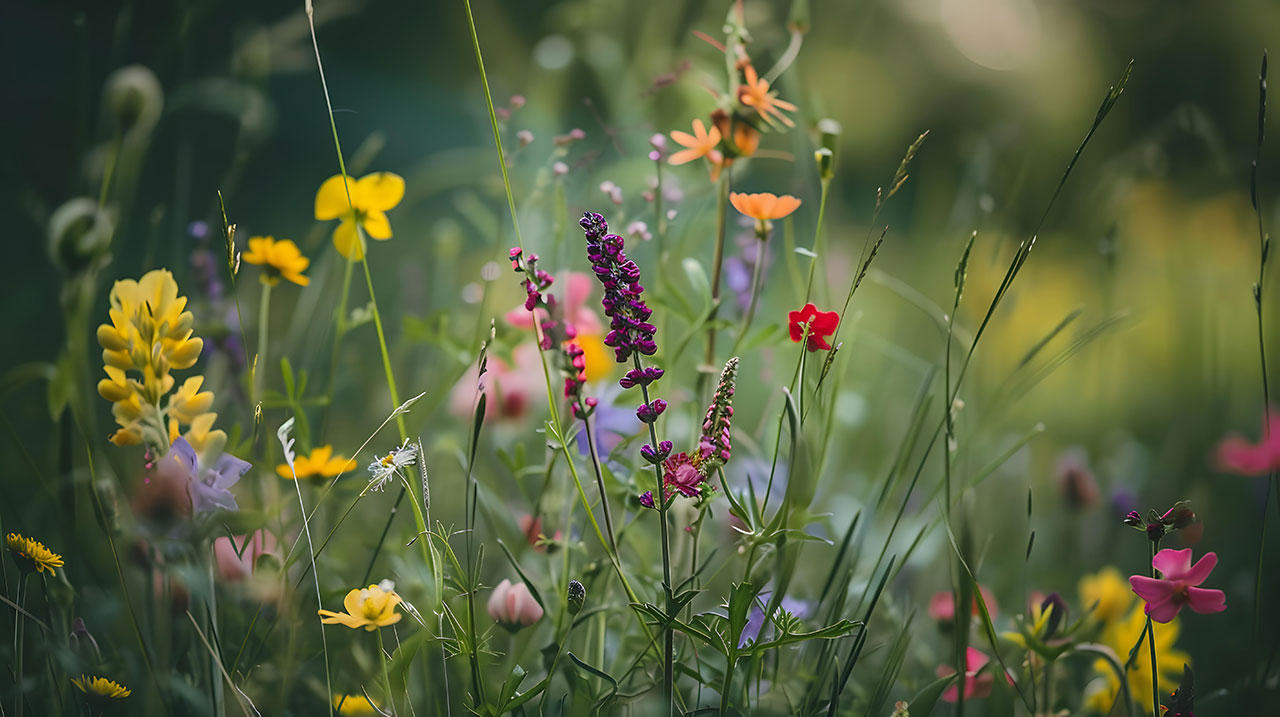
Before making meaningful commitments, you need a baseline. What green space do you have, and how is it managed? What habitats exist on or around your site: hedgerows, trees, water, grassland? What species are present? A simple site walk with a notebook and a free plant identification app will tell you more than you might expect. Local wildlife trusts can also offer guidance or connect you with volunteer surveyors.
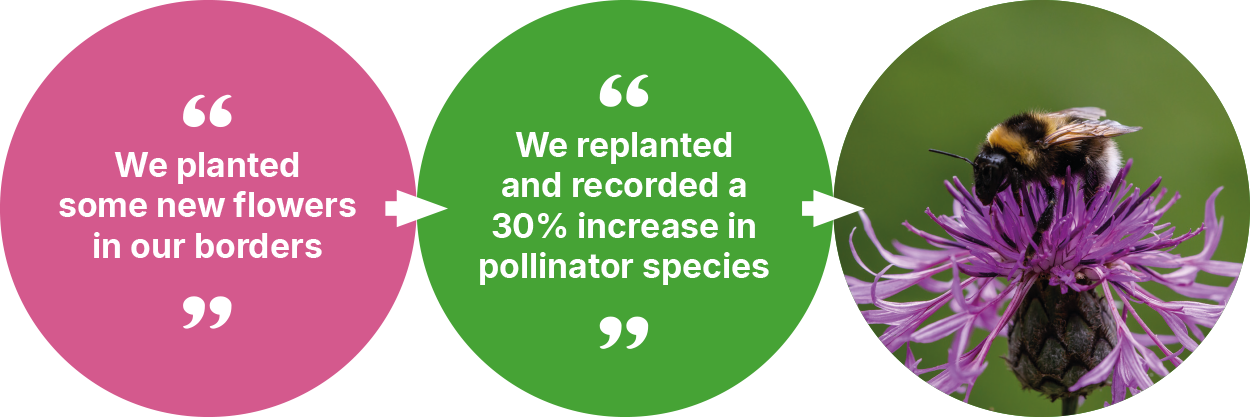
A baseline serves two purposes. It reveals opportunities (the scrubby corner that could become a wildflower area, the fence line that could take a native hedge) and it gives you something to measure against. “We surveyed in 2024 and have recorded a 30% increase in pollinator species since then” is a very different statement to “we planted some flowers”.
Let it go a little
This costs the least and delivers some of the fastest results, but it’s the one that makes hospitality businesses nervous.
Manicured grounds signal professionalism. The idea of letting that go can feel like a risk to your brand. But guests respond positively to wildlife-friendly spaces when they’re framed with confidence. The difference between a neglected corner and a managed wildflower area isn’t the plants – it’s the sign explaining what it’s for and why it matters.

There are a few easy, practical steps you could take, depending on the nature of your grounds. You could delay cutting dead plants back until late spring, to protect the invertebrate species hibernating within. Maybe you could reduce the frequency of your hedge cutting, and make sure it’s done outside of nesting season. Or why not take part in the annual No Mow May challenge, and extend it into June too?
None of this means abandoning standards, it’s about being intentional with your outside space and communicating your intentions to your guests.
Source with biodiversity in mind
Many hospitality businesses have made progress on sustainable sourcing – local suppliers, seasonal menus, reduced waste. But the biodiversity dimension of food purchasing is still underplayed.
The way food is produced has a profound impact on the natural world – intensive farming, pesticide use and the loss of hedgerows have taken a huge toll on wildlife over the last fifty years. Choosing to source from farms that do things differently – whether that’s organic, higher welfare, or simply famers who leave space for nature – means your purchasing decisions are doing something good.
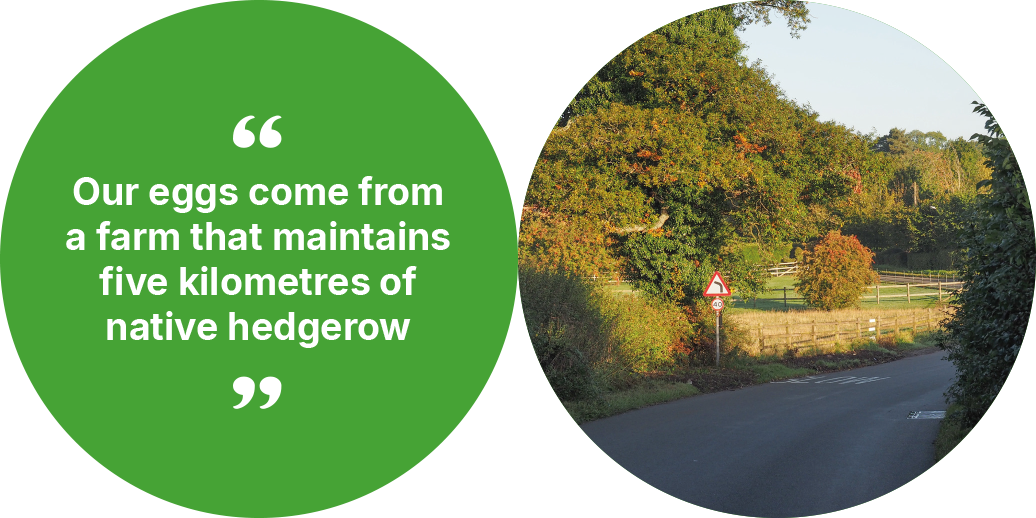
It also creates a story worth telling. Guests increasingly want to know that their choices have a positive impact beyond the plate, and “Our eggs come from a farm that maintains five kilometres of native hedgerow” is a compelling line to read on a breakfast menu.
Engage your guests
People choosing sustainability-minded properties are often deeply curious about the natural world. A stay that offers a genuine wildlife encounter, or teaches a guest something new about the landscape, gets talked about, written about, and returned to.
It doesn’t have to mean guided walks or expensive display boards. Incorporate the information into your website or welcome pack, with information on topics such as what wildlife to look for and when, a note about the wildflower area, or a mention of the local nature reserve down the road.
Think beyond your boundary
Biodiversity doesn’t stop at your fence line – and neither should your thinking.
The most impactful businesses are those that see themselves as active participants in the wider landscape, not just managers of their own patch. Talk to neighbouring landowners about connecting habitats. Support a local wildlife trust or conservation project. Get to know what’s ecologically significant in your area and champion it.
From a storytelling perspective, a business that can say “we work with the nature reserve down the road” or “we’re part of a local hedgehog highway that runs through the whole village” is a much richer narrative. Guests want to feel connected to places, and a business woven into the natural fabric of its local landscape gives them exactly that.