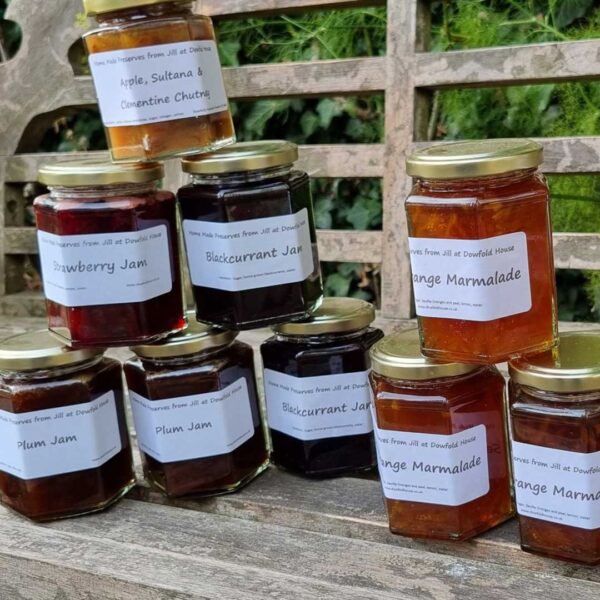
From small village fetes and gallery exhibitions to internationally recognised festivals such as Glastonbury and the Edinburgh Fringe, events and festivals play an important role in showcasing destinations, celebrating local culture, and bringing communities together.
They help create memorable visitor experiences, support local economies, and highlight the unique identity, food, drink, creativity and heritage of a place.


Events and festivals come in all shapes and sizes, covering music, comedy, art, literature, food and drink, and community celebrations. Some attract a handful of visitors, while others welcome hundreds of thousands each year.
Regardless of their scale or focus, festivals and events can bring significant visitor numbers and economic benefits to local areas. For tourism and hospitality businesses, they create valuable opportunities to increase revenue, attract new audiences, and encourage repeat visitors.

Increasingly, festivals are also recognising their role in supporting environmental sustainability and reducing their impact. The Edinburgh Festivals collective, for example, has developed a shared carbon reduction route map alongside individual environmental strategies, with the ambition of becoming a world-leading sustainable festival city by 2030. Their climate action work includes renewable electricity, sustainable procurement, reducing production freight and encouraging lower-impact travel choices.
Many individual festivals are also taking positive steps. The Edinburgh International Festival has published a Sustainability Action Plan and is working towards net zero by 2045 through annual emissions reporting and regular strategy reviews. Edinburgh Science Festival has introduced targets to reduce emissions from travel, freight, food, materials and operations, while Edinburgh Art Festival has embedded environmental sustainability into both its policy and programming through collaboration with venues and partners.
Other major events are also demonstrating how festivals can drive positive environmental and economic impact. Glastonbury Festival, for example, has introduced a wide range of sustainability initiatives, including running the festival on renewable energy and renewable fuel since 2023, banning single-use plastic drinks bottles, encouraging low-carbon travel, and investing in on-site solar and biogas energy systems. The festival also reports that more than 98% of tents have been taken home since 2019 as part of its “Love the Farm, Leave No Trace” campaign. Alongside its environmental commitments, Glastonbury’s latest Impact Summary estimated the festival generated around £168million for UK businesses, including £32million for businesses in Somerset, highlighting the significant role major events can play in supporting local economies and communities.

For tourism and hospitality businesses, this presents an opportunity not only to benefit economically from increased footfall, but also to align with events that reflect shared sustainability values. Building relationships with organisers and promoters well in advance can help businesses make the most of these opportunities, particularly as many festivals aim to work with local suppliers and accommodation providers when possible.
Keeping guests informed about upcoming events, especially at the booking stage, can help to enhance their experience and encourage longer stays. You could even explore collaborative packages or promotions with organisers to create added value for visitors while supporting local partnerships. Maintaining a year-round events calendar on your website is a great way to share local information and inspire future bookings.
You might also want to sponsor, support or host your own local events. This could include showcasing local artists, hosting food and drink tastings, or organising something that celebrates local culture or produce. As well as raising your business profile, these events are a great way to give back to the community, demonstrating your sustainability in a meaningful and visible way.

Whether you’re directly involved or simply supporting local events, it’s a great way to showcase your destination, celebrate your local area, and contribute to the local economy and community.