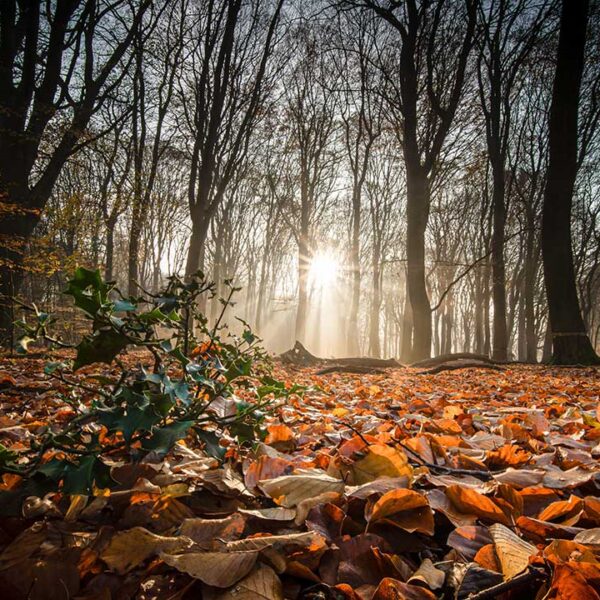
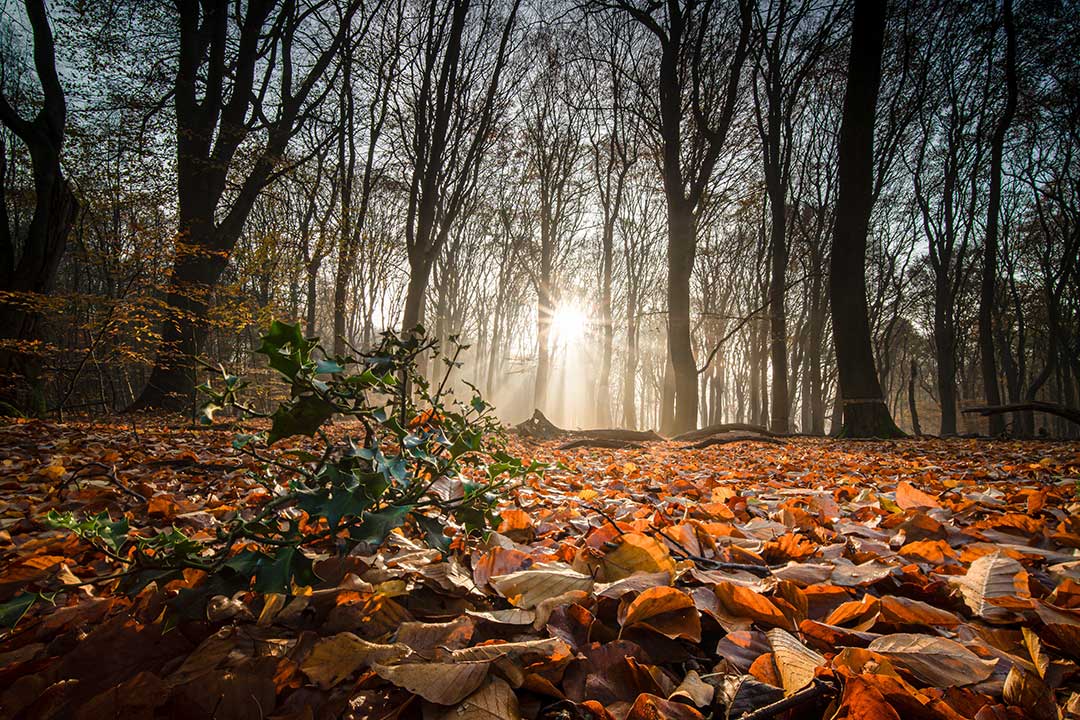
It may not seem like it after the recent heatwaves, but Autumn is not that far away. Meteorological autumn begins on 1st September, while astronomical autumn starts on 23rd September.
Autumn offers a wealth of opportunities to provide guests with memorable, seasonal experiences, from exploring the changing countryside to discovering local food and connecting with nature. One activity worth considering is foraging, which can be a great way for guests to experience the abundance of the season first-hand. There are many companies across the UK specialising in guided foraging experiences.
There are laws and rules around when, where and what you can forage, so an organised experience is the safest way to ensure guests receive expert advice while enjoying the outdoors. Professional foragers can introduce guests to the Fs – fruit, foliage, flowers, or fungi – as well as explaining what can be safely collected. Many also demonstrate how to cook the produce, perhaps finishing with a delicious alfresco meal.
For guests looking to develop their culinary skills, learn how to make sloe gin for some Christmas cheer, or simply try something different, linking up with a local foraging company can provide a memorable experience while also supporting local businesses and promoting your area.
Autumn also brings an abundance of seasonal produce from local farms and growers. Look to incorporate apples, plums and pears from local orchards, alongside root vegetables and brassicas from market gardens and farms. Buying locally helps reduce food miles and associated carbon emissions.
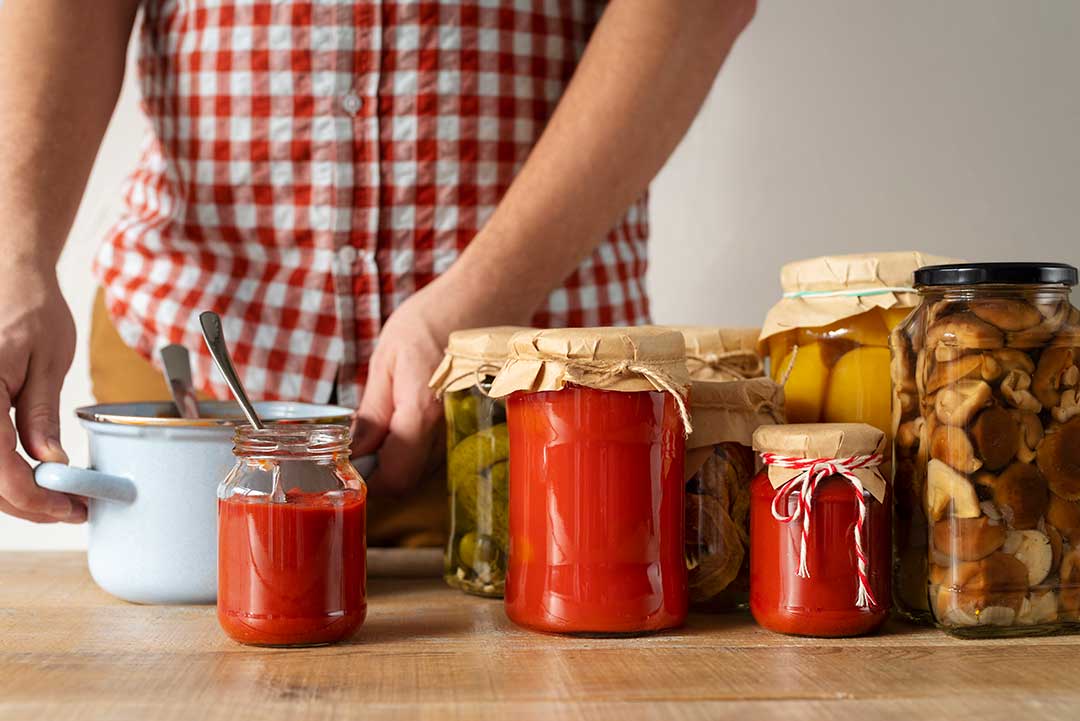
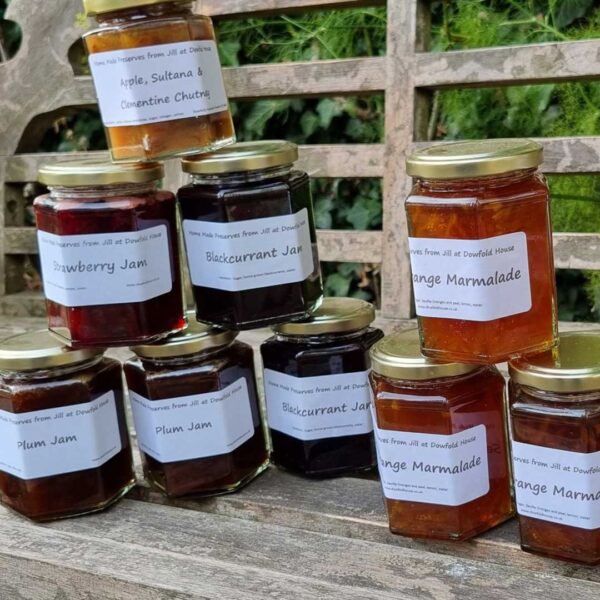
Making jams, pickles and other preserves, or using a food dehydrator, is a great way to use up any surplus produce, reducing food waste while helping to protect your kitchen’s profit margins.
With shooting seasons starting in the Autumn, consider using local game such as fish, fowl and venison. This often-overlooked source of low-fat, high-protein food can support rural businesses while bringing something different to your menus.
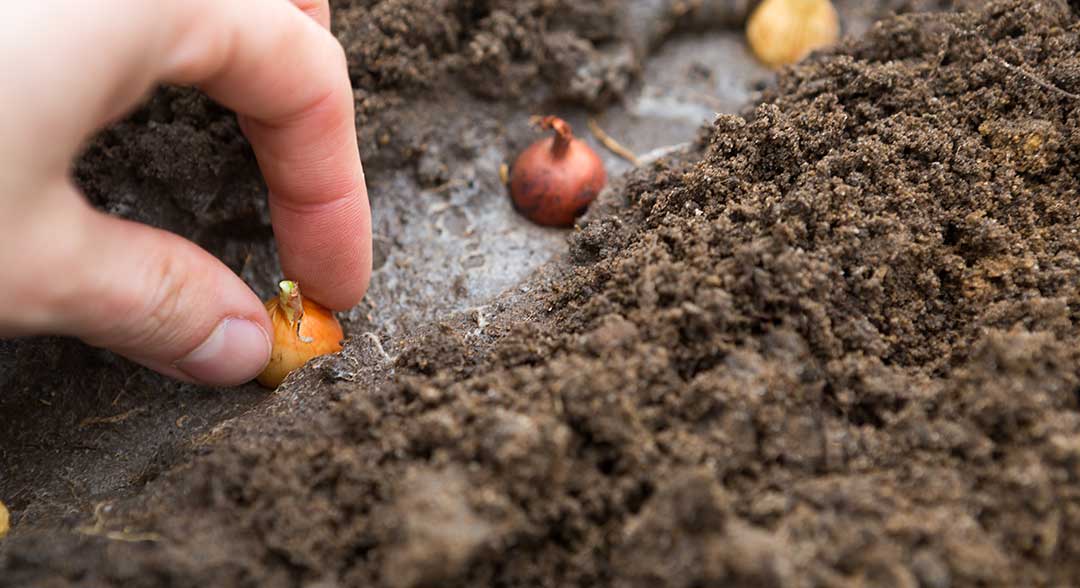
If you have gardens or grounds, autumn is also the perfect time to start planning for next spring. Planting bulbs such as daffodils, tulips and crocuses, or splitting perennials that have outgrown their space, can help create beautiful displays while providing new plants at little or no cost.
Don’t be too hasty to tidy the garden. Fallen leaves provide valuable shelter and food for invertebrates during the winter. If you plan to have a bonfire to dispose of garden waste or celebrate Guy Fawkes night, always move the pile before lighting it to check that hedgehogs and other wildlife haven’t taken shelter underneath.
Finally, clean and sterilise bird feeders ready to put them out in November, and stock up on quality seeds, peanuts and mealworms to help garden birds through the winter months when natural food is scarce.