We are increasingly seeing reports linking microplastics with impacts on water supplies and, more worryingly, human health.
Microplastics have been found in carotid artery plaques, while research has raised concerns about potential gastrointestinal, reproductive and cellular effects. A study by the University of Newcastle in Australia estimated that the average person could be ingesting around 21 grams of plastic each month through food and drinking water.
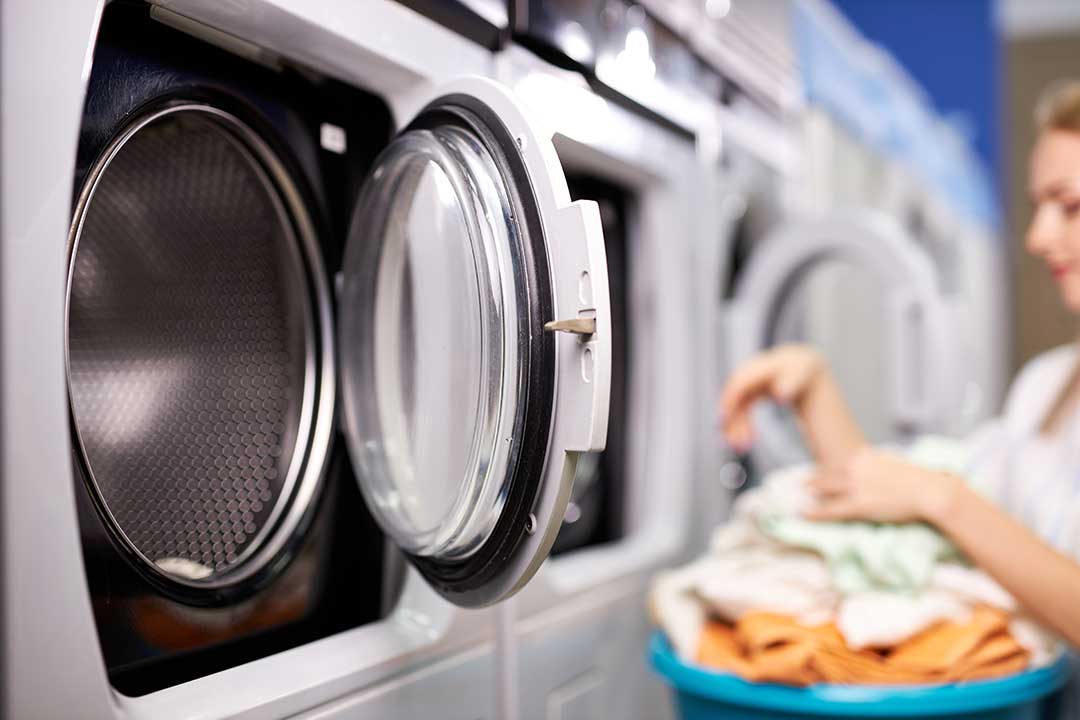
An estimated 35% of microplastics entering our waterways come from washing clothes, with studies suggesting that up to 700,000 fibres can be released during a single wash. So, what can we do to reduce this pollution and protect our health and that of future generations?
One solution is fitting microplastic filters to washing machines. While standard washing machine filters catch larger fibres, very few machines currently have filters designed to capture microplastics.
Research by a filter manufacturer found that 96.6% of 32,800 people surveyed worldwide believed washing machines should already have built-in microplastic filters. However, the lack of widespread availability is largely down to legislation.
France was the first country to introduce a legal requirement for new washing machines to have a system for capturing plastic microfibres, which came into effect on 1 January 2025. Other countries and US states are considering similar measures, while the EU is also considering an EU-wide requirement.
There is some debate around how effective filters are, although manufacturers estimate capture rates of between 78% and 98%, depending on the filter. There may also simply be a lack of awareness that effective retrofit options are available.
Businesses and households don’t have to wait for legislation to act. UK manufacturers including PlanetCare, Xeros Technology and Matter Industries, which has partnered with Bosch, produce filters that can be fitted to washing machine wastewater outlets to capture microfibres.
With an estimated five million tonnes of plastic microfibres entering the world’s oceans every year, every filter can make a difference. Adding a filter to your washing machine is a practical step businesses and households can take to reduce the amount of microfibre pollution entering our waterways.
The solution is available. Now we need to make sure it becomes the norm.