Spring is here, and with the lengthening days and rising temperatures, it’s the most crucial time of year for giving wildlife a helping hand.
Animals, insects and birds that have come through winter have burned through their fat reserves and are gearing up for breeding season. Here are five simple measures that will pay dividends in the coming months.
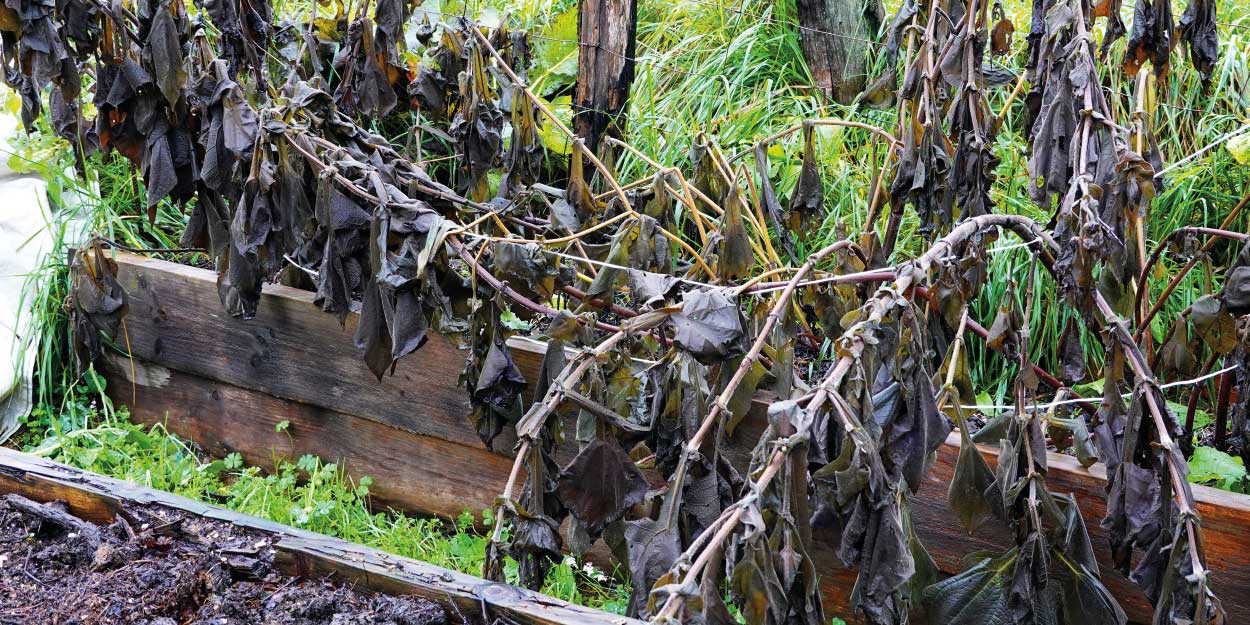
Don’t tidy your garden too early.
If you get a warm day in March and feel the urge to clean up last year’s dead plants – don’t. Around 70% of native bees nest in the ground or in dead stems, and many are still hibernating inside the hollow plant stems you’re about to cut. Butterfly chrysalises also attach to dead stalks, fence posts and under bark flaps, looking like dried leaves or small bumps. A good rule: don’t cut any dead material until nighttime temperatures stay above 10 degrees Celcius for a full week, giving insects the chance to warm up and leave their winter refuges.
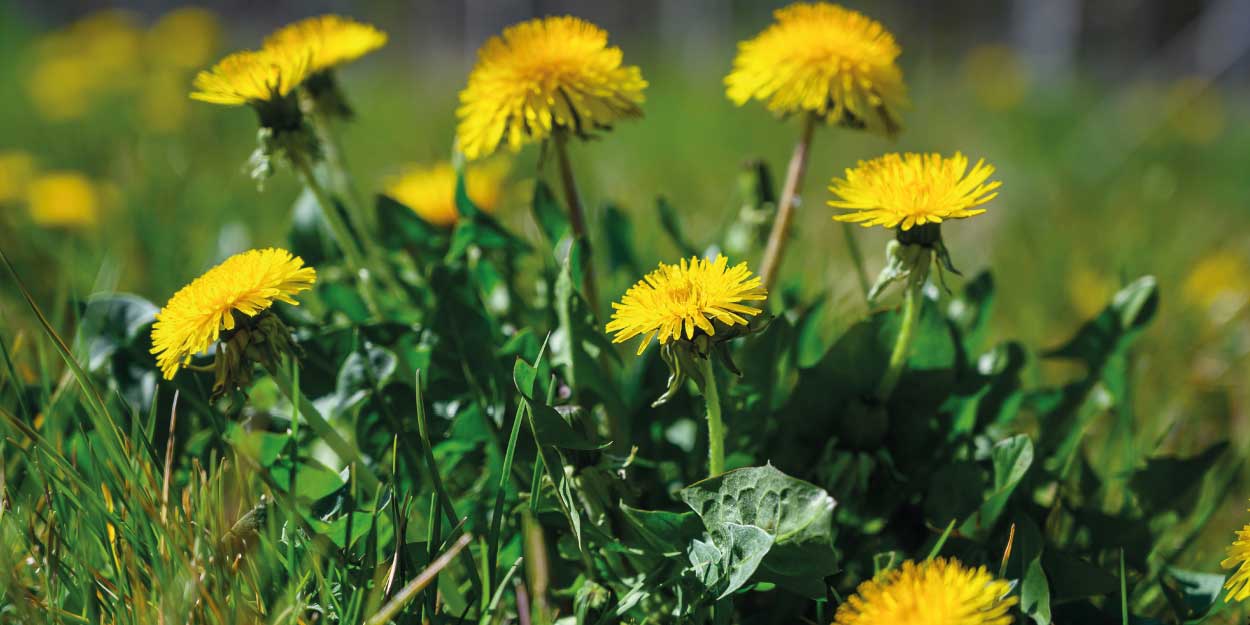
Leave the dandelions.
In early spring, almost nothing is blooming – no fruit trees, no clover, no garden flowers. Dandelions are often the only nectar available. They bloom early, providing high-sugar nectar for insects emerging from hibernation, and their parabolic shape actually focuses solar radiation, warming both the nectar and the bee – a vital metabolic bonus in cold weather. When a queen bee emerges from hibernation, she has used 80% of her fat reserves and has just 48 hours to find food or die. A queen that find dandelions survives and starts a colony; a queen that doesn’t… doesn’t. One dead queen in March equals 30,000 unpollinated flowers in June.
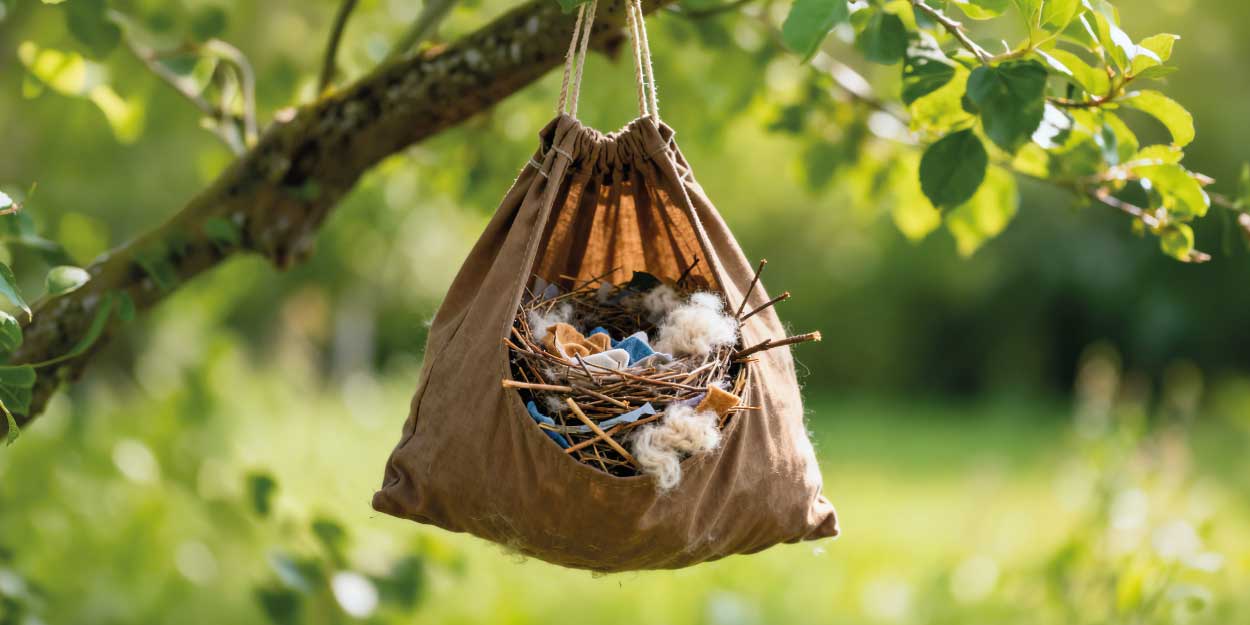
Build a nesting material cage for birds.
A simple suet cage or mesh bag hung in the garden, filled with soft materials, will be gratefully received. Raw sheep’s wool is ideal – look for it caught on barbed wire or lying in fields on winter walks. Wool found before late spring should be safe, as sheep are treated with insecticides from late spring onwards. Pet fur (dog or cat brushings) works well too, provided your pets haven’t been recently treated for fleas or ticks. Moss, lichen and dried leaves are also great additions.
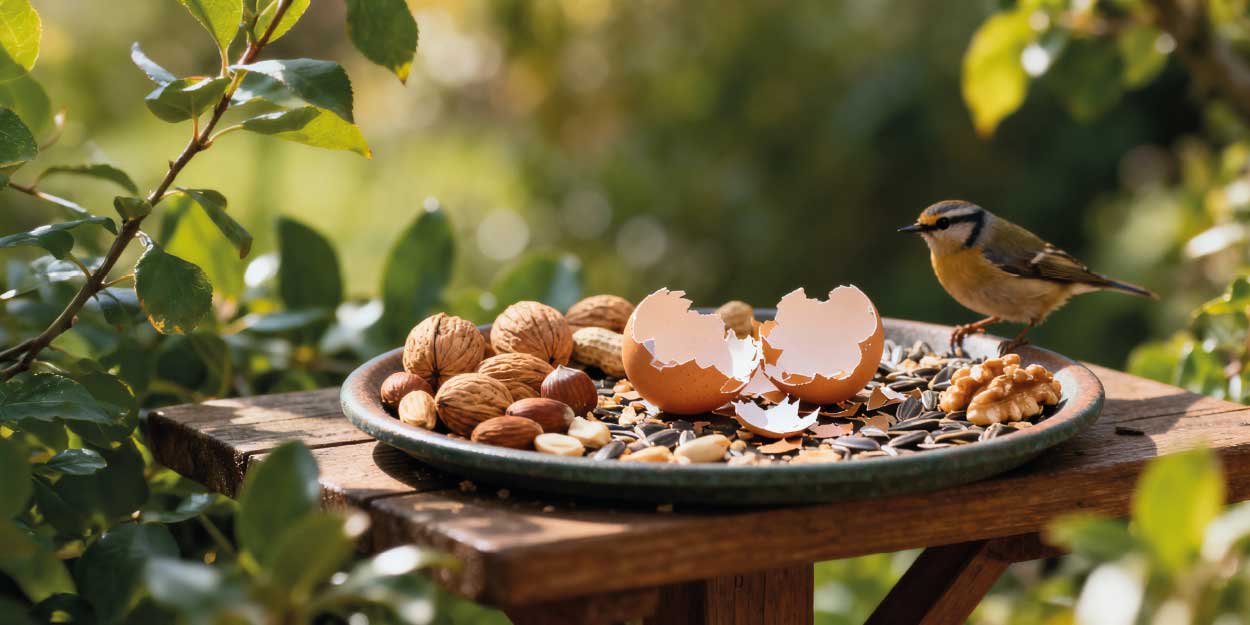
Put out crushed eggshells.
As well as your normal bird table food, add a handful of finely crushed eggshells. Rinse them, crush them, then bake at 120 degrees Celcius for ten minutes. Small birds like tits lack the beak strength to break snail shells, so they struggle to find calcium in spring. A female blue tit must consume her own body weight in calcium to lay her clutch – which can number up to 16 eggs. She can’t store it in her skeleton (which must stay light for flight) so she forages for it daily. Your eggshells could make the difference between a successful clutch and none at all.
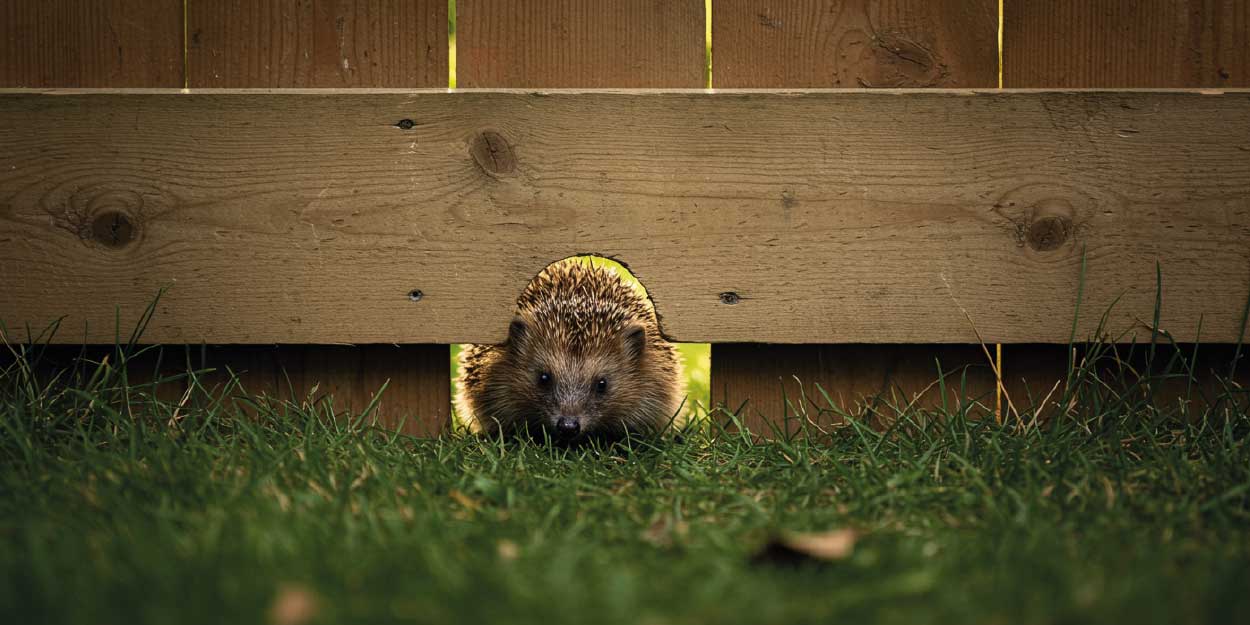
Create hedgehog gaps in your fencing.
Hedgehogs are emerging from hibernation hungry and ready to mate. A male can travel 1-2km in a night searching for food, mates and to avoid inbreeding – but the rise of solid wooden panel fencing has severely limited their movements. The simple fix is cutting 130 x 130mm holes in the base of boundary fences. UK hedgehog numbers have dropped dramatically in recent decades, with urban fragmentation a key cause. Have a word with neighbours – most will be happy to help, and the local hedgehog population will thank you for it.
These small actions make an enormous difference to the web of wildlife surrounding your property, even the wildlife you rarely see.