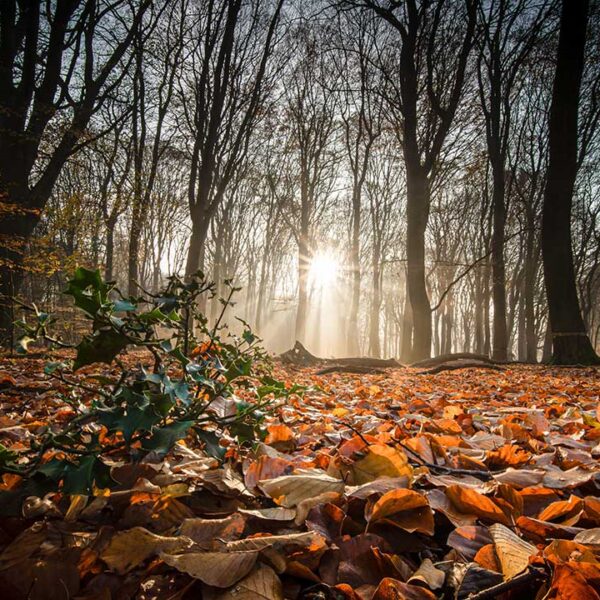
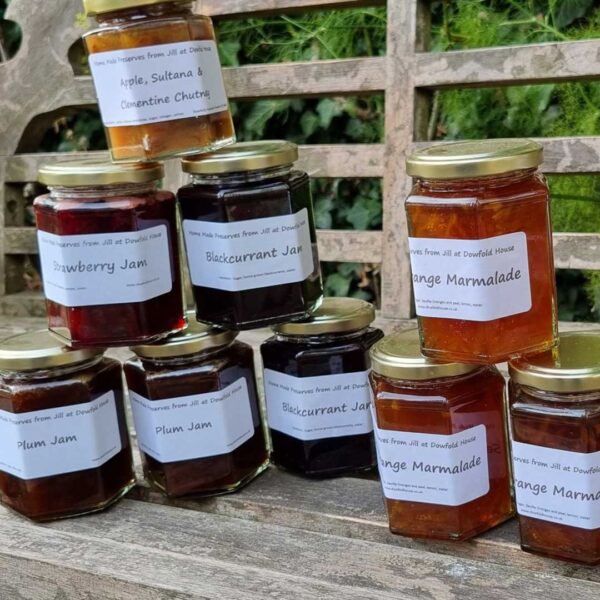
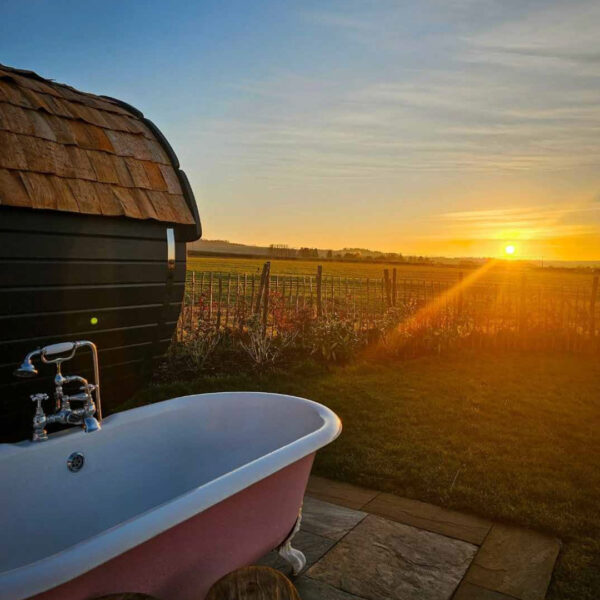
Ecosystems and nature play a crucial role in your business, from the food and drink you serve, to your guests’ enjoyment of the surrounding landscape.
These ecosystems can help to mitigate problems with climate change and contribute to the health and wellbeing of your customers and staff.
Spending time in nature has been proven to combat stress by reducing cortisol levels by up to 21% for seven days afterwards, as well as improving sleep quality. It can also lower the heart rate, decrease anxiety and depression, and alleviate seasonal affective disorder.
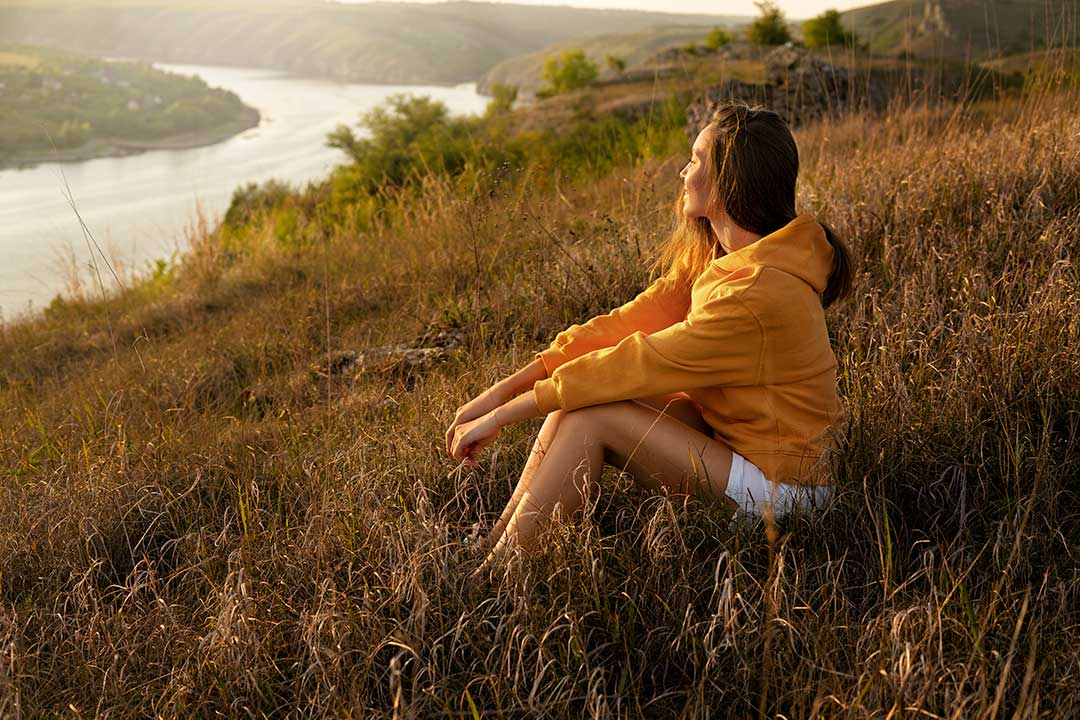
We all lead busy lives, so how long do you need to be immersed in nature to reap these benefits? The answer, according to a study by the European Centre for Environment and Human Health, is 120 minutes. The study found that people who spent two hours a week in green spaces were more likely to report good health and psychological wellbeing than those who don’t, whether the time spent was all at once or spaced over several visits.
So why does being in nature make us feel better?
In our long history, humans are not that far removed from when we had a much closer relationship with nature. Our senses are still tuned in to the sights, sounds, and smells of nature. The colours that we see in nature, whether it’s the blue of the sea, the green of the forest of the brown of the earth, all help to define our perception of beauty. This exposure to beauty has a calming effect on us by triggering the release of feel-good neurotransmitters such as dopamine and serotonin.
The sounds we hear when in nature have also been proven to calm us, even when in stressful situations. Research at Alder Hey Hospital has shown that children who are undergoing surgery or other procedures were calmed by listening to recordings of bird song, running water, rain, and wind. At this time of year, listening to the early morning birdsong has a lifting effect, heralding the end of winter and the coming of better weather and longer days.

Smells, such as the scent of flowers or the earthy smell of petrichor (the technical name for what you smell after it rains), are all familiar to us and can evoke memories and feelings of wellbeing. The resinous smell of a pine forest, caused by compounds known as phytoncides, can boost the human immune system and have anti-inflammatory effects. So a walk in the woods is not only good for a bit of exercise, but our physical and mental health as well.
In summary, nature is not a luxury but a vital part of our physical and mental wellbeing, with proven benefits that extend from reduced stress and improved mood to better sleep and overall health.
For tourism and hospitality businesses, this presents a powerful opportunity to not only enhance guest experiences but also to support the wellbeing of staff and visitors by actively encouraging time spent outdoors. Whether through access to green spaces, curated nature experiences, or simple prompts to explore the surrounding landscape, helping people reconnect with nature can add real value to their stay. In doing so, businesses can play a meaningful role in restoring that essential connection between people and the natural world.